
From The Outside Looking In:🖤 August is Black Business Month: Why It Matters (Especially in Birmingham, AL)

Every August, Black Business Month gives us an opportunity to recognize, support, and uplift the work of Black entrepreneurs and the businesses they’ve built—often in the face of systemic challenges. It’s more than a celebration—it’s a movement toward equity, visibility, and sustained economic growth for Black communities.
How Black Business Month Got Started
Black Business Month was co-founded in 2004 by John William Templeton, a journalist and historian, and Frederick E. Jordan Sr., an engineer and entrepreneur. Their mission: to spotlight persistent challenges Black-owned businesses face—especially around access to capital—and to encourage public and private investment.
Jordan’s own experience of being denied financial backing for his engineering firm inspired the creation of a national platform dedicated to economic inclusion. We don’t have to look far from home to find business owners that have faced similar situations. This is the case for Mayoral candidate Brian K. Rice who has had his own battle with financial backing for his business in Ensley. When Brian sought financing for his rehabilitation plans, appraisers gave some of his historic properties a value of $0, citing comparisons to distant farmland or car washes—a decision he believes reflects modern-day redlining and valuation bias. Brian’s experience became emblematic of national findings: Brookings Institute research highlights that Black-majority ZIP codes face systematic under-valuation, contributing to wealth losses in communities like Ensley. His story drew international media attention, including coverage by BBC World News, helping frame this as part of broader racial economic injustice (See A Blueprint for Improving Underserved Communities)
While we don’t endorse candidates we do believe elected officials must be clear on thier plans to advocate for fair banking and other opportunities as it relates to black owned businesess within the city limits. This in tune with current progress is extremly important especially in a city that is almost 70 percent black.
Black-Owned Businesses in Birmingham: Today’s Snapshot
In Birmingham, Black entrepreneurs represent a significant yet disproportionately under resourced segment of the business community:
According to 2022 U.S. Census Bureau data, there were 2,653 minority owned businesses in the Birmingham area, with approximately 29 % or 770 businesses owned by black entrepreneurs. Black owned firms metro wide generated roughly $4.23 billion in revenue. This is a significant number and if correct means the City of Birmingham (4%), Jefferson County (2%) and the State of Alabama (4%) could have collected $400+ million from black owned businesses in annual sales tax revenue. This is an estimate with actual numbers unavailable in our research.
This share represents a gap: while Black residents make up about 68 % of Birmingham’s population, just 29 % of registered businesses are Black owned according to Urban Impact.
Nationally Birmingham ranks 53rd in Black owned Businesses with Atlanta taking the top spot followed by cities Washington DC, Memphis, Fayetteville and Virgina Beach Metro all claiming spots in the top 10. Huntsville, Alabama does get a mention when talking about the top 25 cities with black owned businesses nationally (based on percentage of all businesses).
To capture more accurate, current data, the Birmingham Black Business Census launched in early 2025, open from January 21 to April 30. Volunteers have already identified nearly 650 active Black-owned businesses, and the initiative seeks to document more across all stages of growth according to the Birmingham Black Census.
This census aims to clarify:
- Which businesses are still operating,
- Industries with higher representation (e.g. health & wellness),
- What resources are most needed—particularly around sustainability versus startups.
Nationally there are approximately 161,000 Black-owned employer businesses in the United States. These businesses generate a total of $183.3 billion in annual revenue. Additionally, there are over 1.1 million Black-owned non-employer businesses (solo entrepreneurs, freelancers, etc.), which bring in an additional $42.2 billion in revenue. Combined, Black-owned businesses generate over $225 billion annually across the U.S.
What Should Happen During Black Business Month (With a Greater Birmingham Lens)
This month is more than just hashtags and shoutouts—it’s a chance to take real steps toward building generational wealth and a more inclusive economy. Here’s how this looks in Birmingham:
1. Do Your Part to Spotlight and Promote Black-Owned Businesses
- Highlight local or any black owned businesses you visit or support on your social media pages.
- Promote long standing cultural pillars in your direct community that many of us may not know about. Black owned Businesses that have been around for 10, 15 and 20+ years are important to showcase.
2. Shop with Purpose
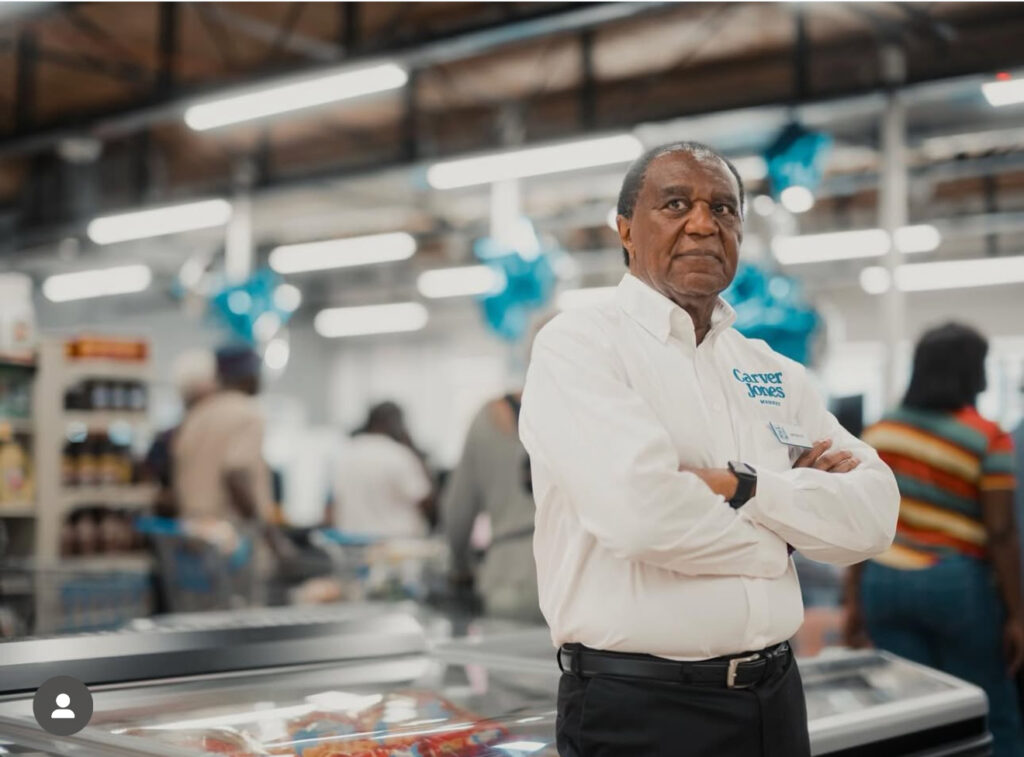
- Make intentional choices to support Black-owned businesses across local districts like the historic 4th Avenue corridor or simply drop in to Carver Jones Market, ISHI? Boutique, Fly V Clothing, Datus Henry, Yo Mama’s Restaurant or Eugene’s Hot Chicken.
- For a searchable directory of black owned businesses by catergory make sure you check out the A.G. Gaston Conference’s Black Business Directory.
- Amplify #BuyBlack and #BuyBlackBHM campaigns with Birmingham focused content and reviews.
3. Host Educational Workshops and Events
- Partner with local HBCUs and training centers like Lawson State Community College, which serves as a historic anchor for business and technical education in the region.
- Emphasize sustainability—workshops tailored not just to startups but established businesses seeking stability and growth.
4. Push for Policy and Advocacy
Entities like Urban Impact, The Black Contractors Association of Alabama and the Birmingham Business Resource Center are all in support of minority and black owned businesses and offer support and advocacy in thier own way. However this must also become the reposibility of all us. Shouting out the lack of businesses with healthy food options, healthcare facilities in black communities along with thriving business districts in each community is mandatory.
- Use census findings to advocate for city procurement policies, grants, and loan programs aimed at bridging the equity gap.
- Share local impact—Black-owned businesses may be under counted; improved data is critical for unlocking resources.
- During election cycles specifically ask candidates on both sides of the isle about thier support for black owned businesses in particular those within black owned communities.
5. Foster Networking and Collaboration
- Launch local business expos, mixers, and coworking meetups to connect Black business owners across industries.
- Encourage partnerships between historically Black colleges, nonprofit support agencies, and established businesses in the metro area.
6. Hold Corporations Accountable
- Corporations based in Birmingham—especially in banking, healthcare, transportation, and regional retail—should commit to supplier diversity and invest in Black-led ventures.
- Local institutions can join programs like the 15 Percent Pledge, encouraging national and regional retailers to allocate more shelf space and vendor contracts to Black-owned businesses.
7. Tell the Stories That Matter
- Infuencers make sure you feature entrepreneurs from programs like the Black Business Census.
- Be intentional about celebrating cultural business figures and share it with the world.
Why Black Business Month Matters (Especially in Birmingham)
Black-owned businesses are essential to:
Job creation within Birmingham’s predominantly Black communities are critical to growing community and closing the racial wealth gap. Economic innovation and cultural vitality come directly from the Black Business Community.
But they still face significant challenges:
Disparities in funding and business visibility, under-counting in traditional economic data and lack of sustained support from not only elected officials but the general public at large. All of this is essential for for long-term growth in underserved communities.
A concerted push during Black Business Month can:
Boost healing and sustainability, elevate business outcomes across the metro area and build momentum beyond August.
What You Can Do This Month (Here in Birmingham)
- Shop local, tip generously, review businesses online.
- Attend expos, pop-ups, and neighborhood events.
- Volunteer with initiatives that support Black entrepreneurs or mentor new owners.
- Share stories of impactful Black businesses in your community on social media and local forums.
Black Business Month isn’t just symbolic—it’s strategic. And in Birmingham—where Black entrepreneurs are contributing billions yet remain under represented—this month matters more than ever. Every dollar, feedback, or exposure helps rewrite the economic narrative for Black-owned businesses in our city.
Read more on Birmingham Black Businesses at
https://aggastonconference.biz
