
Fred Hampton: A Legacy Interrupted — And the Future We Lost
By Urbanham.com
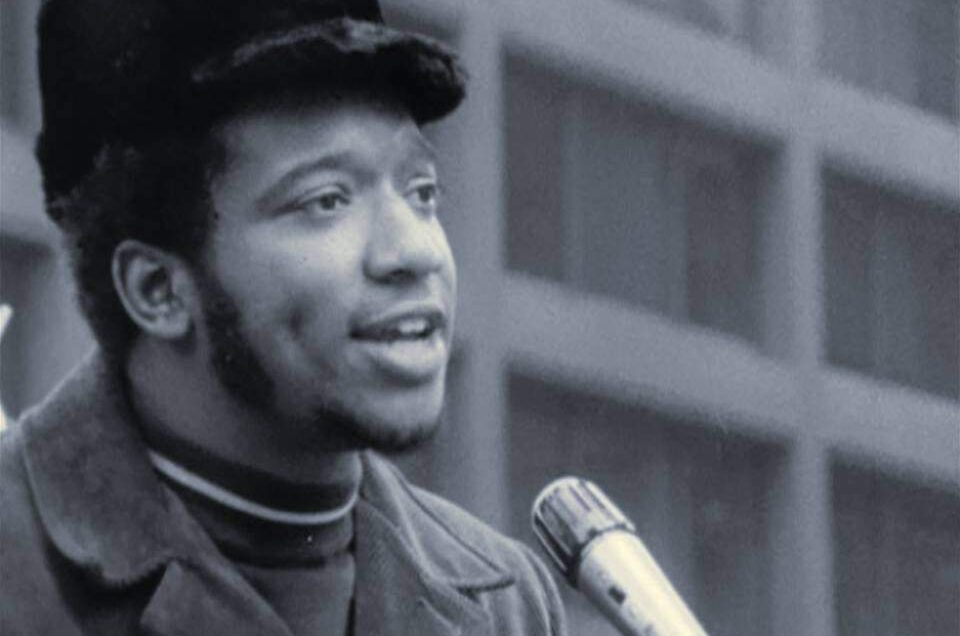
Fred Hampton was more than a revolutionary leader. He was a visionary, a builder, and a bridge-maker whose ideas were decades ahead of his time. Born on August 30, 1948, and assassinated on December 4, 1969, Hampton’s life was short — but the blueprint he left behind for community empowerment continues to inspire generations.
Today, as Chicago and countless inner-city communities struggle with poverty, violence, and political disconnection, we revisit Hampton’s legacy not just to honor the past, but to imagine the world we could have had if his work had continued.
A Champion of Community Care
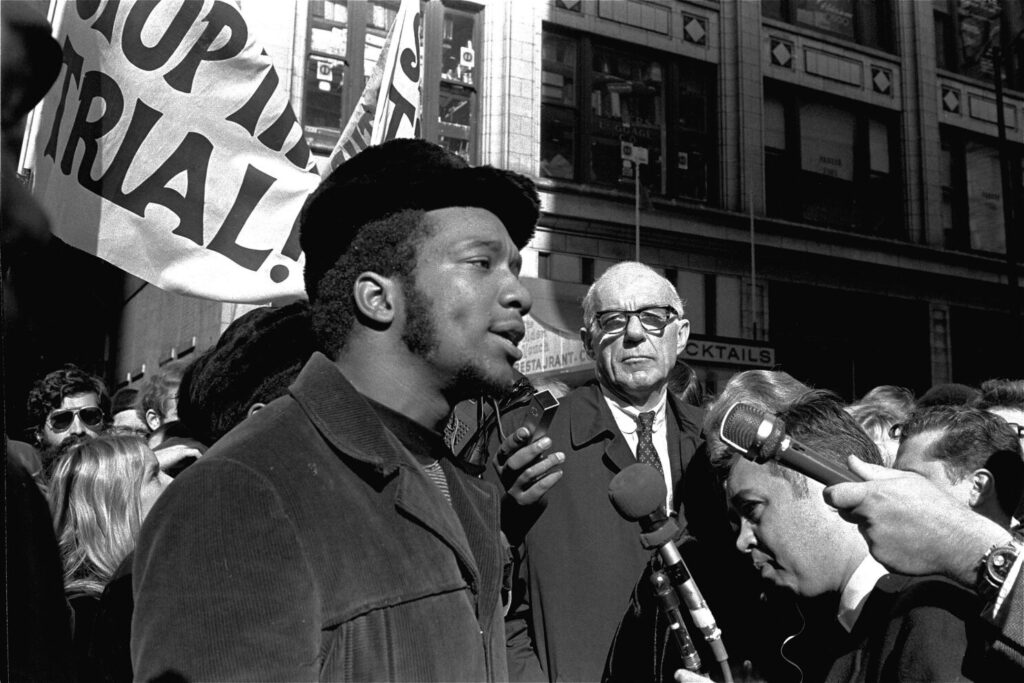
Long before the term “community program” became mainstream, Fred Hampton was building systems that served the people directly:
• Free Breakfast for Children Program
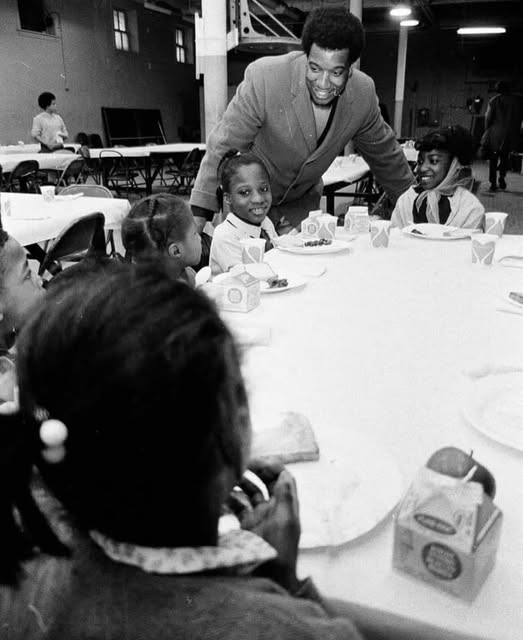
Hampton helped establish one of the first large-scale free breakfast initiatives in the nation. This program fed thousands of children before school — a radical concept that was later adopted by the U.S. Department of Agriculture.
• Community Health Clinics
He organized free medical centers offering health screenings, sickle cell testing, and basic treatment. These clinics filled a gap left by government systems that ignored underserved Black communities.
• Political Education & Leadership Development
Hampton held political education classes that taught history, economics, and civic engagement. His goal: create a generation of leaders rooted in awareness, discipline, and community-first values.
The Rainbow Coalition — A Bold Vision of Unity
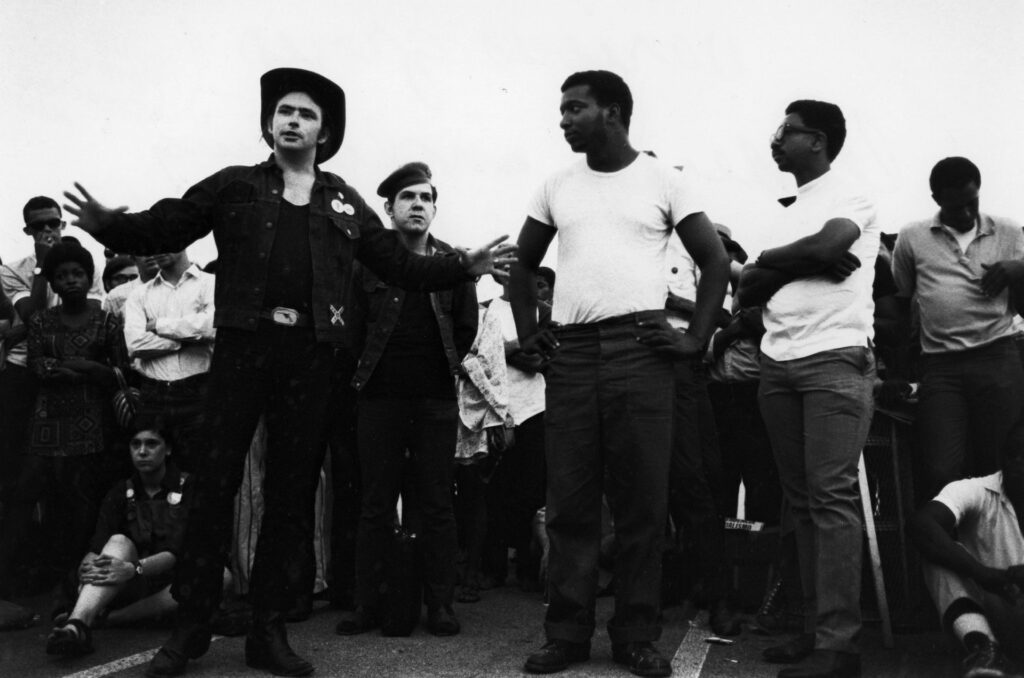
Perhaps his most groundbreaking achievement was the creation of the Rainbow Coalition, a multicultural alliance of:
- Black Panthers
- Young Lords (Puerto Rican activists)
- Young Patriots (poor white Appalachians)
- Street organizations
- Working-class groups
At only 21 years old, Hampton was uniting people across race, class, and neighborhood lines — something America still struggles to do today.
This was not a coalition of convenience. It was a movement built on shared struggle, mutual respect, and collective uplift. Hampton believed real power came from solidarity, not division.
A Defender of the Community
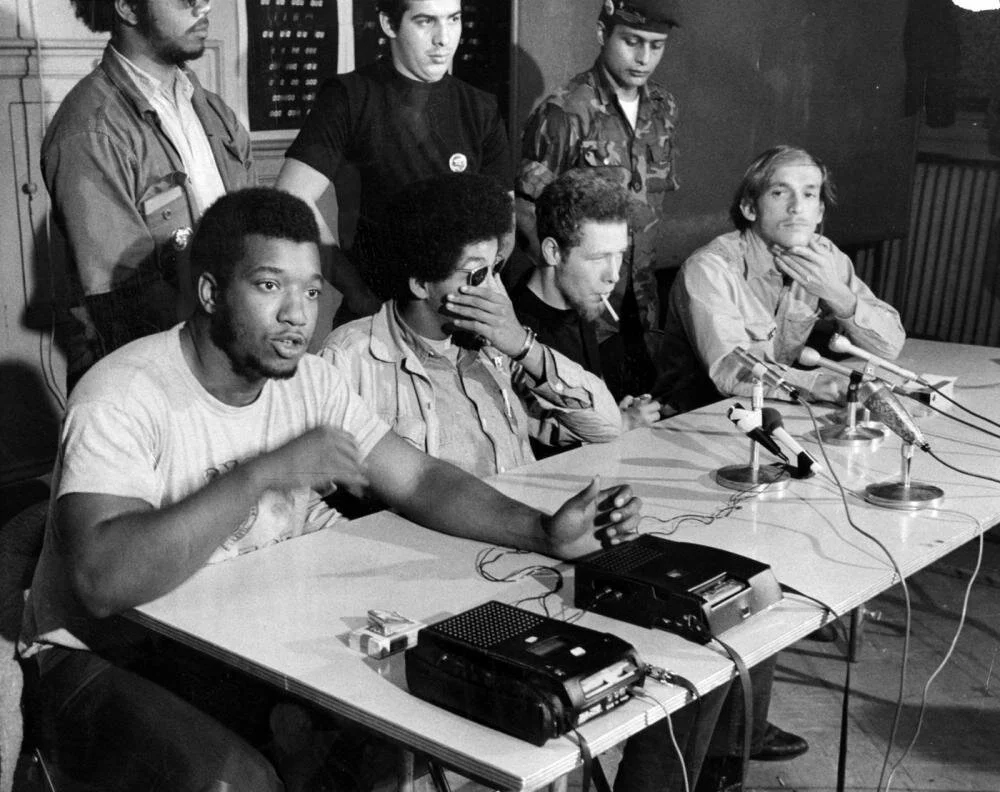
Hampton worked to reduce violence in Black neighborhoods by:
- Mediating gang conflicts
- Redirecting youth into community service
- Offering structure, purpose, and political consciousness
He understood that violence was not a cultural problem — it was a structural one. And he fought to address it at the root.
Why Fred Hampton Was Targeted
Fred Hampton was assassinated in a coordinated raid by the FBI, Chicago Police Department, and Cook County State’s Attorney. He was drugged, shot while asleep, and killed during an operation that fired nearly 100 rounds into his apartment.
Why?
Because he represented unity.
Because he represented political education.
Because he represented a future where poor people — Black, brown, and white — worked together for shared power.
His charisma, clarity, and effectiveness made him the embodiment of what COINTELPRO feared: a “Black Messiah” capable of transforming America’s political landscape.
What Could Have Been: The Chicago We Lost
Imagining Chicago — and other inner cities — if Fred Hampton had lived is an emotional but necessary exercise. His vision offers a roadmap for what’s possible:
1. Expanded Community Care Networks
More free breakfast centers, more health clinics, more mutual aid programs — decades before nonprofits and government agencies recognized the need.
2. Stronger Interracial Solidarity
Hampton’s Rainbow Coalition showed that poverty is an issue that transcends race.
A living Hampton could have built a national movement rooted in unity, not division.
3. Reduced Gang Violence
Hampton’s influence could have turned street organizations into political and community partners — altering the trajectory of Chicago’s youth.
4. Economic Cooperatives & Community-Owned Institutions
He championed community control of schools, housing, and resources. Chicago might have seen early Black-led cooperative housing, credit unions, and job creation.
5. National Youth Leadership Pipeline
His mentorship model could have inspired entire generations of politically-conscious young leaders in Chicago, Birmingham, Detroit, Compton, and beyond.
6. A Real Shift in Urban Policy
A stronger community-focused movement in the 1970s and 80s might have countered the rise of mass incarceration, disinvestment, and urban decay — the very forces that plague cities today.
Why We Must Carry His Legacy Forward
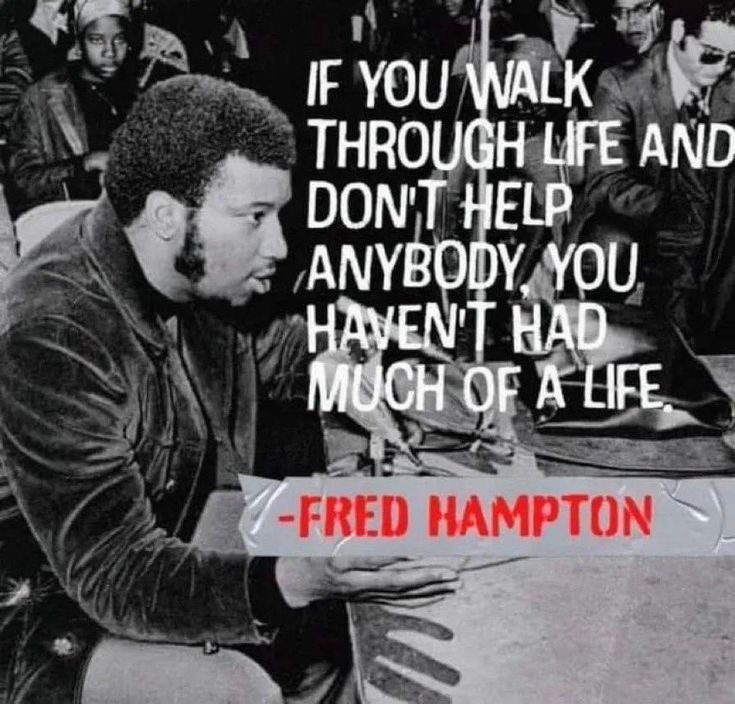
Fred Hampton’s story is not just a history lesson — it’s a call to action.
His work reminds us that:
- Communities can feed themselves.
- People can organize themselves.
- Unity is the greatest threat to oppression.
- Young leaders can change the world.
And while the government silenced Fred Hampton’s voice, they did not silence his vision.
Final Word
Fred Hampton once said,
“You can kill a revolutionary, but you can’t kill the revolution.”
His spirit lives in every food drive, every youth program, every community clinic, and every movement that chooses people over politics. The best way to honor him is not only to remember his legacy — but to build the world he fought for.
Urbanham.com salutes a fallen hero.
And we continue the work he started.
