
From the Outside Looking In: Black America’s Proud Legacy and Future in the United States Armed Forces
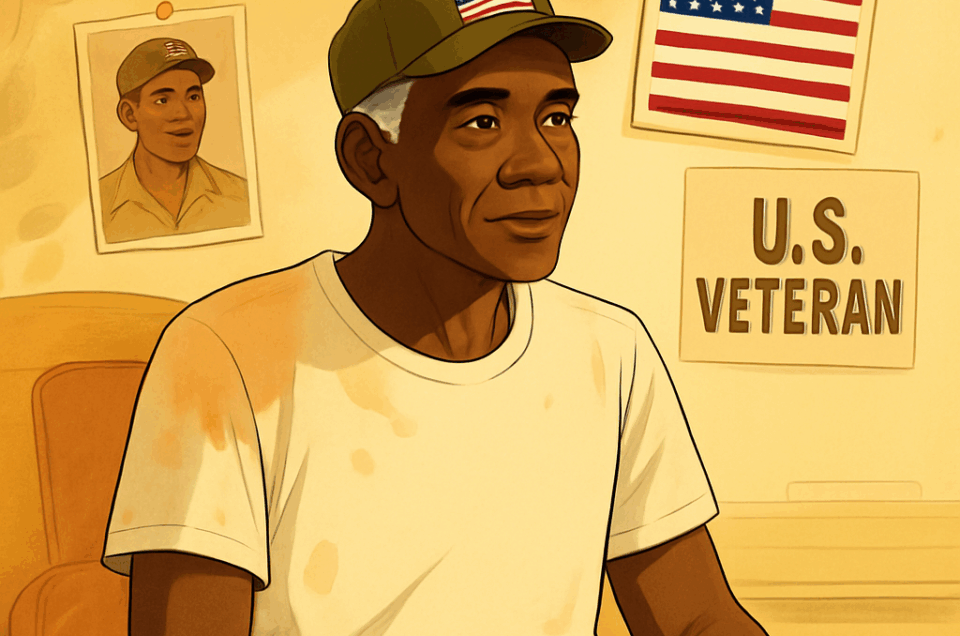
For generations, African Americans have stood on the front lines of America’s defense — not only protecting freedom but defining what that freedom truly means. From the earliest days of this nation to the complex global conflicts of today, Black men and women have served with distinction, courage, and conviction. Their contributions are woven into every chapter of American military history — even when recognition lagged behind sacrifice.
A Legacy of Valor and Leadership
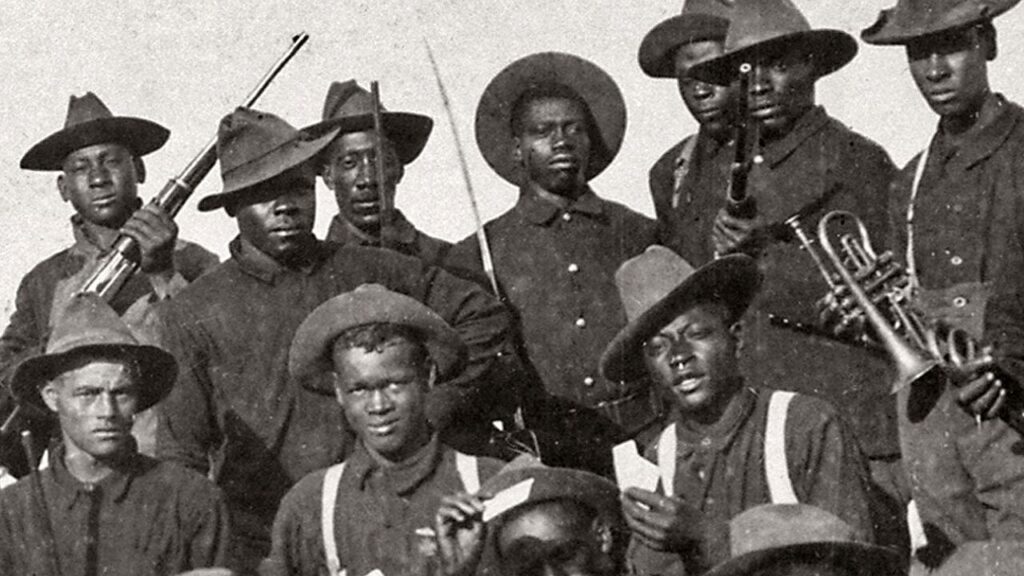
The story of Black Americans in the U.S. Armed Forces begins long before desegregation. It reaches back to the Buffalo Soldiers of the 19th century — the 9th and 10th Cavalry and the 24th and 25th Infantry Regiments — who battled both hostile terrain and racial prejudice while helping secure the western frontier.
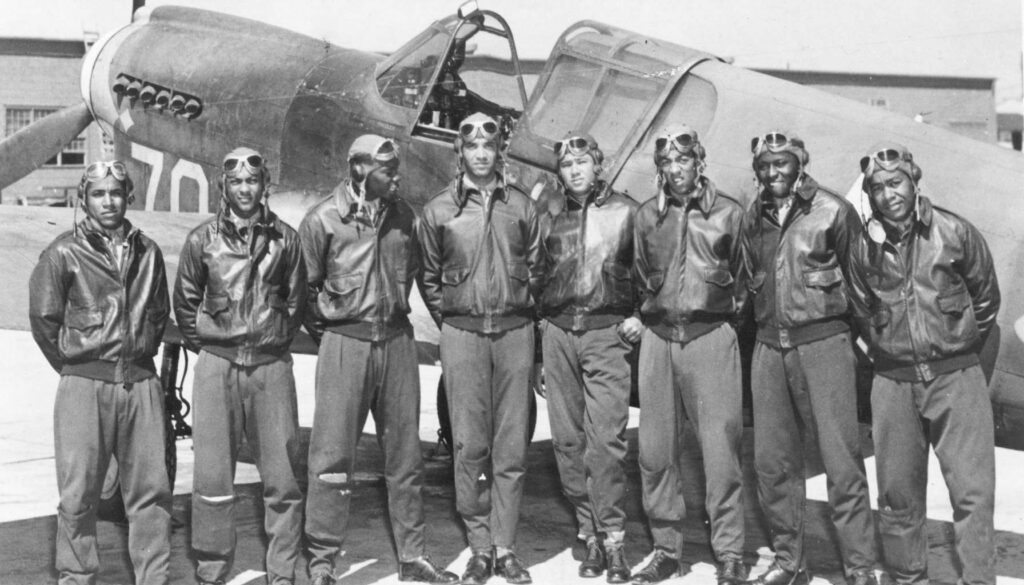
In World War II, the Tuskegee Airmen shattered barriers as the first Black military aviators, escorting bombers over Europe with unmatched precision. Their success paved the way for President Truman’s Executive Order 9981 in 1948, which formally desegregated the military.
Names like General Benjamin O. Davis Sr., the first African American general in the U.S. Army, and his son General Benjamin O. Davis Jr., commander of the Tuskegee Airmen, echo through history. Later generations saw leaders such as General Colin Powell, who became the first Black Chairman of the Joint Chiefs of Staff and U.S. Secretary of State — showing how excellence in service can break barriers beyond the battlefield.
Birmingham’s Own: A Legacy of Service and Leadership
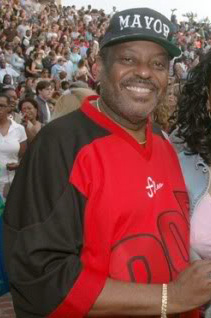
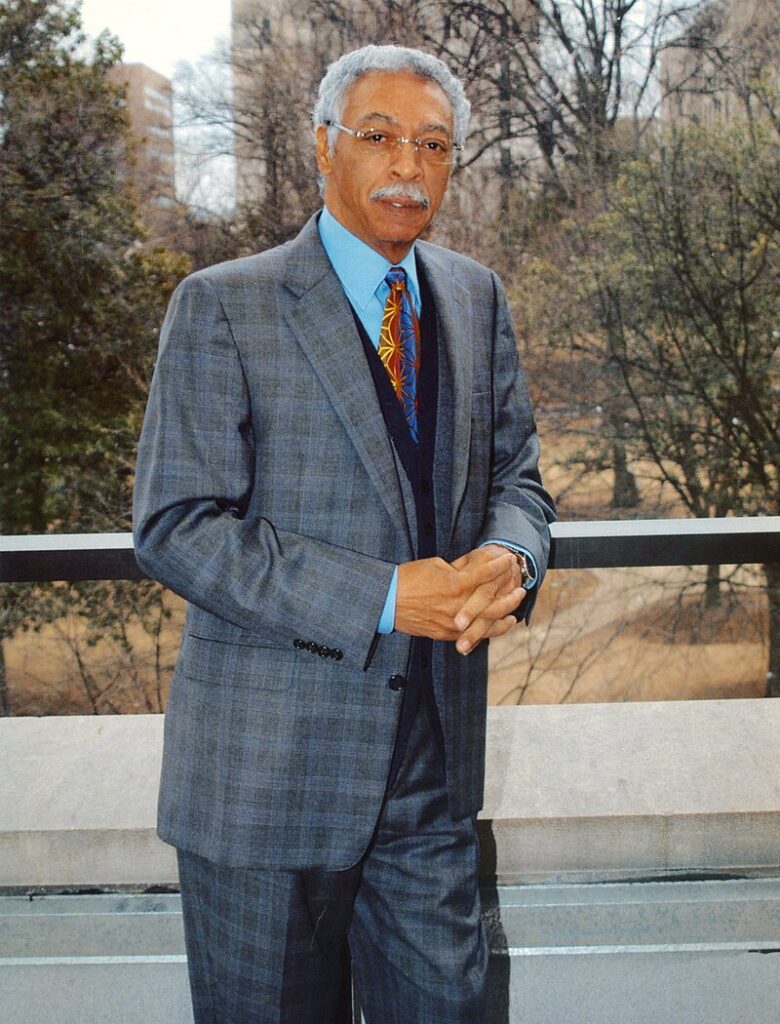
In Birmingham, Alabama, the connection between military service and community leadership runs deep. From World War II veterans like Chris McNair, who went on to serve in the Alabama Legislature and Jefferson County Commission, to Air Force veterans Bernard Kincaid and Larry Langford, both former Birmingham mayors, the city has long produced men and women who carried the discipline of service into civic life.
Roderick Royal, a U.S. Army officer and Gulf War veteran, brought military precision to his work on the Birmingham City Council, while Major General George F. Bowman transitioned from commanding troops to shaping local policy as a Jefferson County Commissioner.
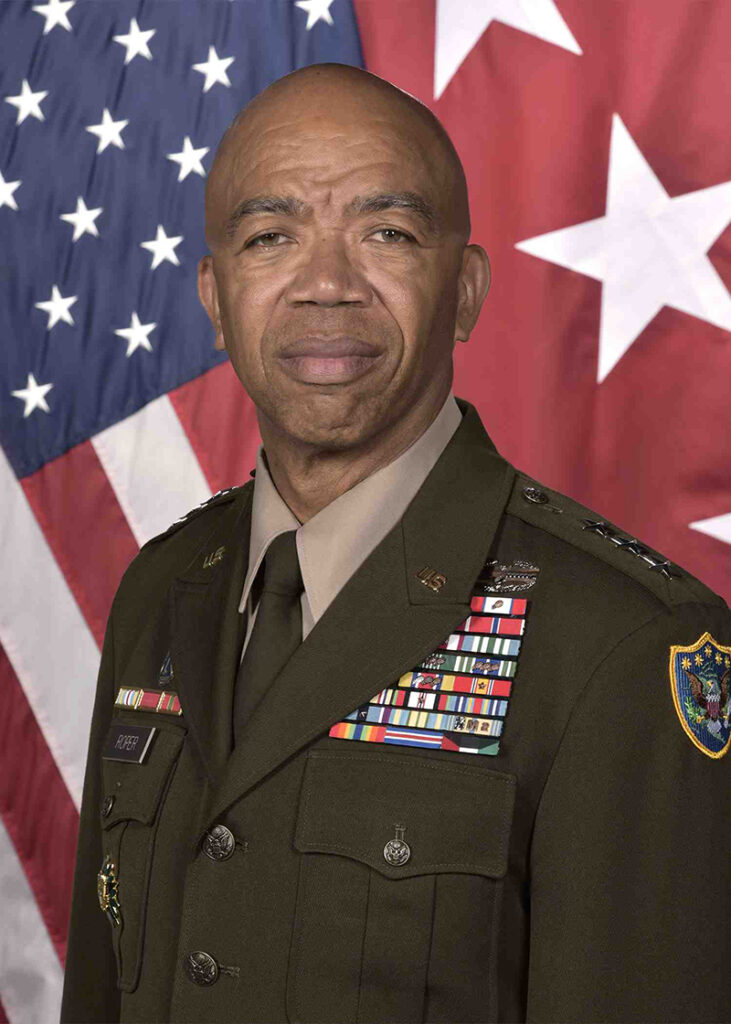
Today, leaders such as Commissioner Sheila Tyson, a proud Army veteran, and Lieutenant General A.C. Roper, former Birmingham Police Chief and one of the highest-ranking African Americans in the U.S. Army Reserve, continue that tradition — proving that the call to lead doesn’t end when the uniform comes off.
Their stories remind us that the armed forces are more than a career path; they’re a training ground for leadership, discipline, and public service. Birmingham’s veterans return home not just with medals, but with mission — ready to rebuild neighborhoods, serve in office, and mentor the next generation.
From Service to Success: The Legacy Continues in Birmingham
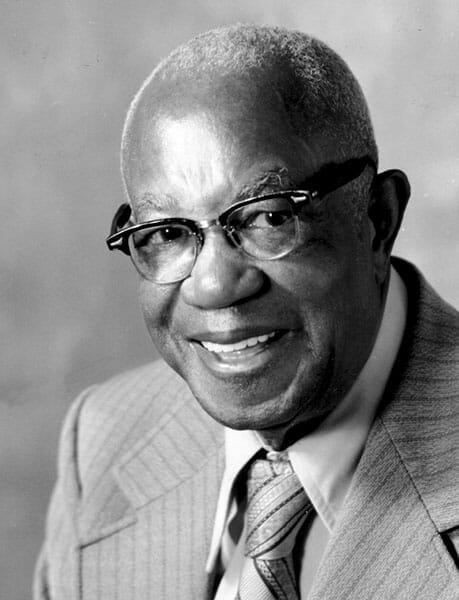
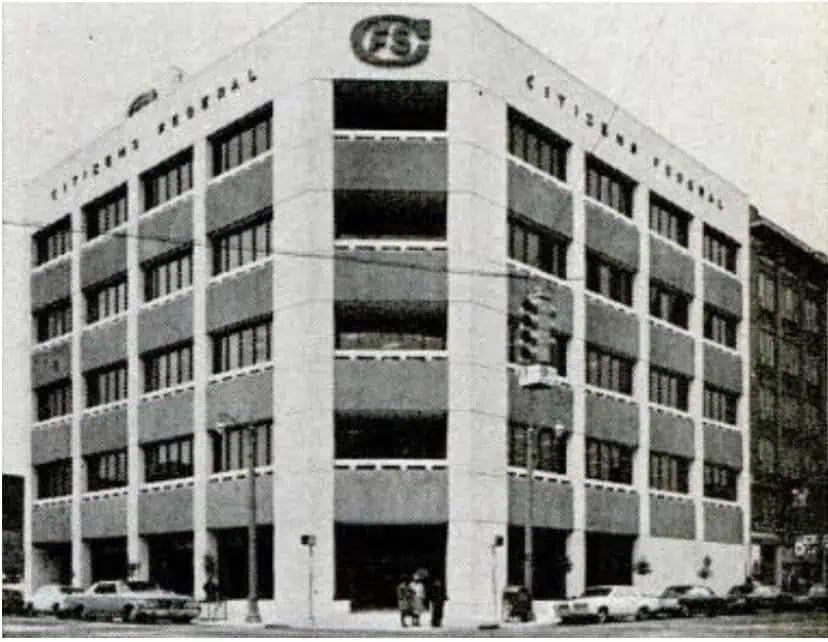
Birmingham’s history is rich with examples of how military service can shape the spirit of leadership and enterprise. A.G. Gaston, who served in the U.S. Army during World War I, returned home to build one of the most influential Black business empires in the South — creating jobs, housing, and financial opportunities through ventures like the Booker T. Washington Insurance Company and Citizens Federal Savings Bank. His time in service instilled the discipline and determination that became the foundation of his business success and community impact.
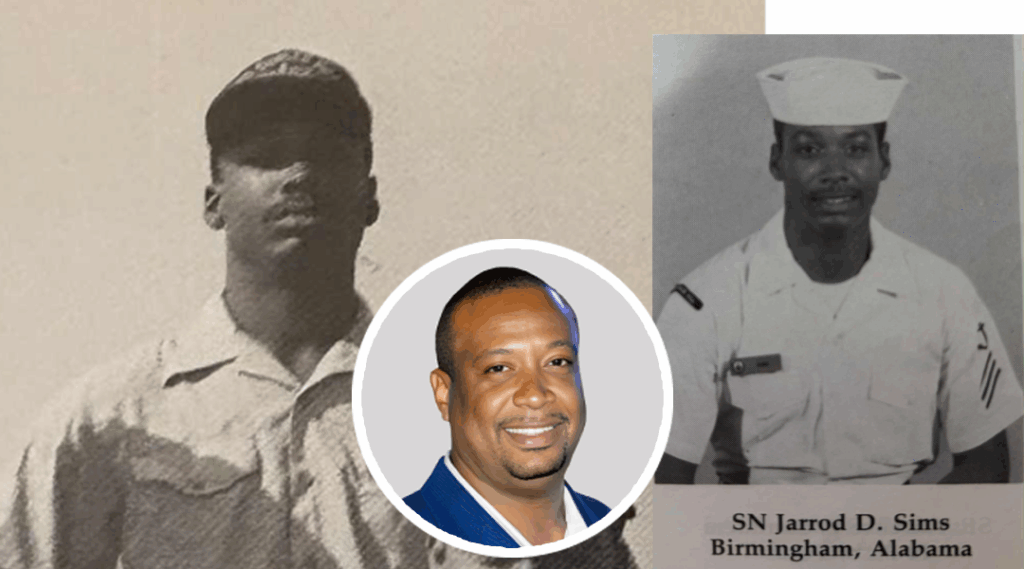
That same spirit lives on in leaders like Jarrod Sims — a proud U.S. Navy veteran, President and CEO of Syms Contractors, and Founder and President of the Black Contractors Association of Alabama (BCAAC). Sims combines the precision and accountability he learned in the Navy with a mission to expand opportunities for Black-owned firms in construction and development — continuing the legacy of service, excellence, and empowerment that has long defined Birmingham’s Black leadership.
The BCAAC’s annual fundraiser, which also serves as a Frankie Beverly tribute, is deeply tied to Sims’ military career and community roots. He shared how his father once gave him the Frankie Beverly & Maze Live in New Orleans soundtrack for his drive from Birmingham to his duty station in San Diego — a moment that has stayed with him ever since. Sims’ wife, a U.S. Air Force veteran, continues the family’s proud tradition of service.
The Call to Serve — and What It Offers
Military service has long represented more than just a uniform — it’s been a gateway. For many young Black Americans, the armed forces provide what society often fails to deliver: structure, discipline, education, and opportunity.
The U.S. military remains one of the few institutions where your background doesn’t define your ceiling — your performance does. Recruits gain skills that translate directly to civilian success in fields such as engineering, cybersecurity, aviation, logistics, healthcare, mechanics, communications, and leadership.
Through programs like the GI Bill, service members can earn college degrees, start businesses, or buy homes — benefits that have helped countless families build generational wealth.

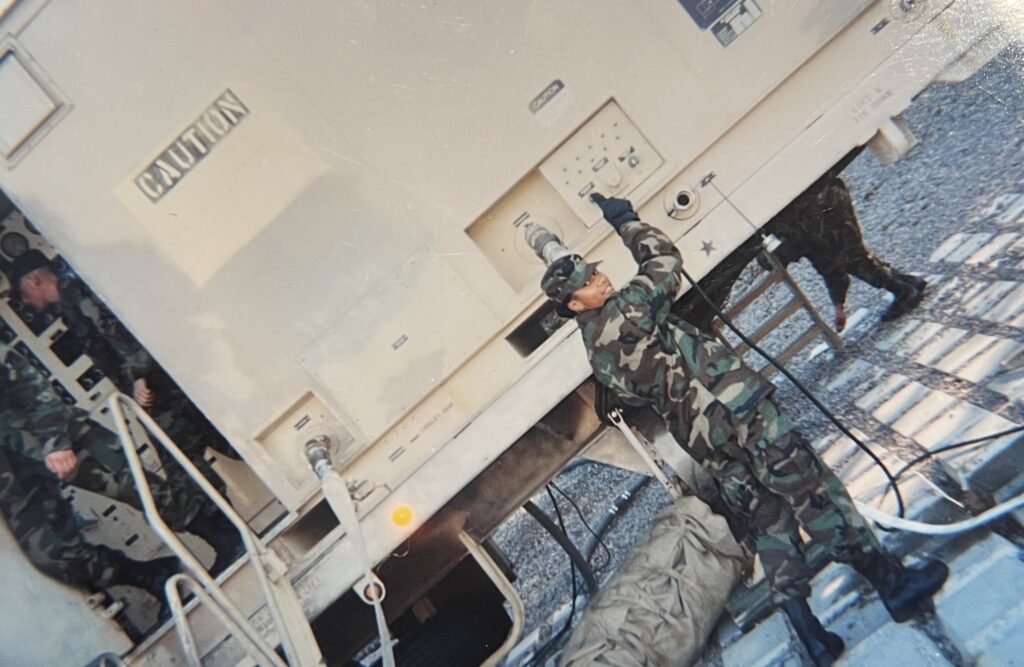
Fitness influencer and Army veteran Christine Law was stationed at Ft. Bragg, North Carolina, where her military experience helped her develop confidence, independence, and discipline. Leaving New York at 19, she was still finding her path in life — and the Army gave her direction.
A former high-school athlete, Law maintained peak physical fitness during her service and now channels that same drive into her health and wellness business. “Being a personal trainer allows me to apply the knowledge and discipline I gained from both school and the military,” she says.
Law also credits the Army for helping her earn a degree through the Post-9/11 GI Bill and purchase a home with a VA Home Loan. Grateful for every opportunity, she says she’ll be “forever appreciative of the United States military.”
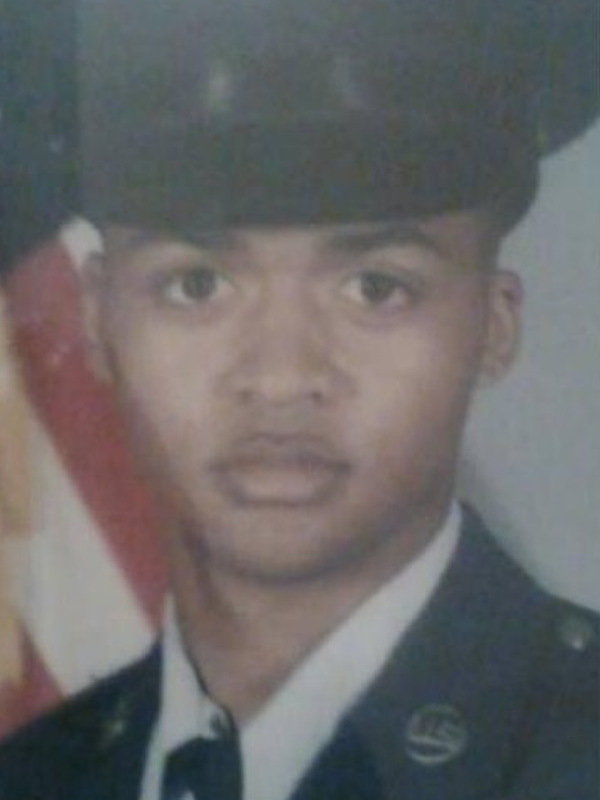
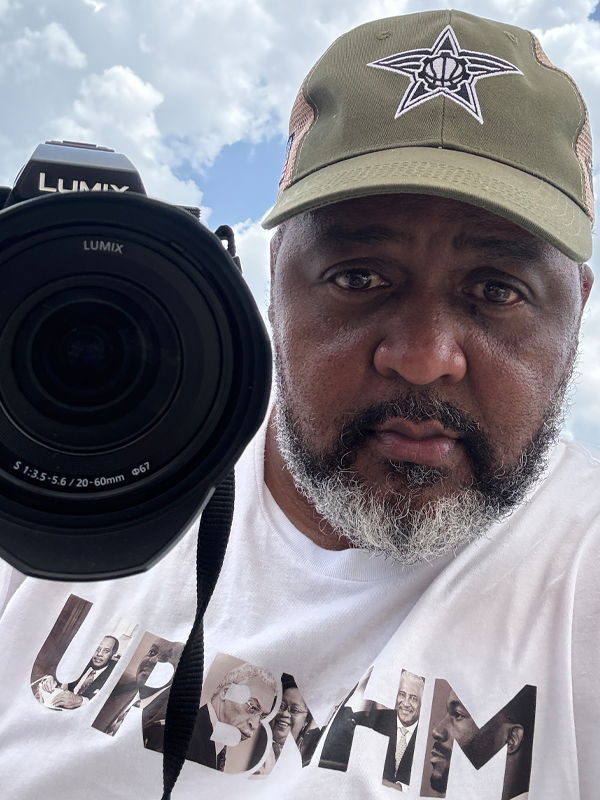
Urbanham.com Founder Russ McClinton also credits the military with helping him mature and find direction early in life. After high school and an initial attempt at college, McClinton joined the U.S. Air Force Reserves, encouraged by his father — also a proud Air Force veteran. “My focus for college wasn’t there right after high school, so joining the military proved to be a great move,” he recalls.
After training, he returned to Alabama, enrolled at Troy State University (Montgomery Campus), and worked part-time with his Reserve unit. “I eventually landed a full-time job with my unit and was able to attend college using benefits from my dad’s disabled veteran status as well as my own — essentially making college very low-cost for me.”
After earning his degree, McClinton worked as a computer scientist with the Defense Information Systems Agency (DISA) in the Washington, D.C. metro area. “After six years in Northern Virginia, I moved back to Birmingham and started Urbanham.com and a technology firm.”
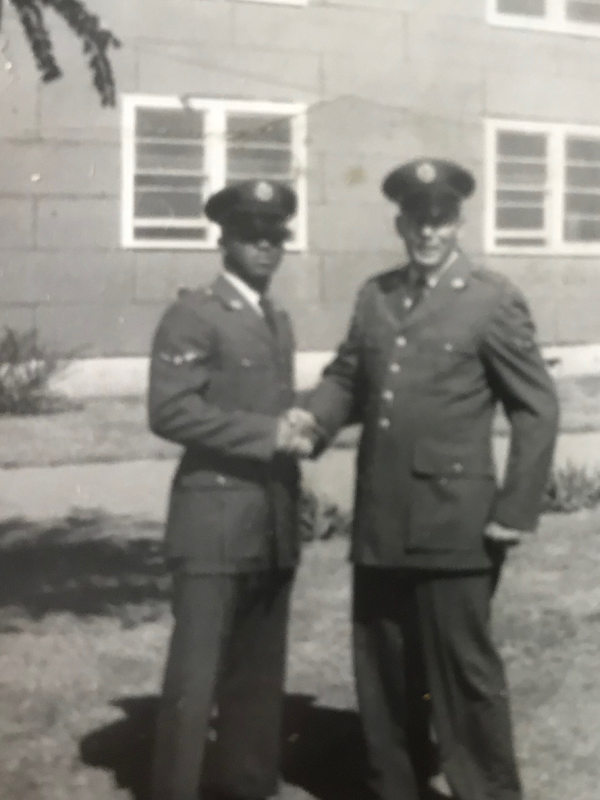
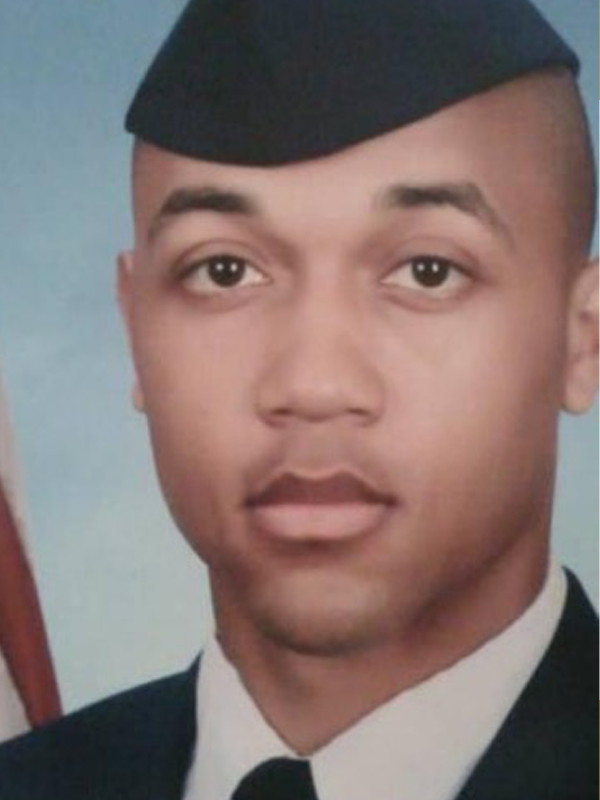
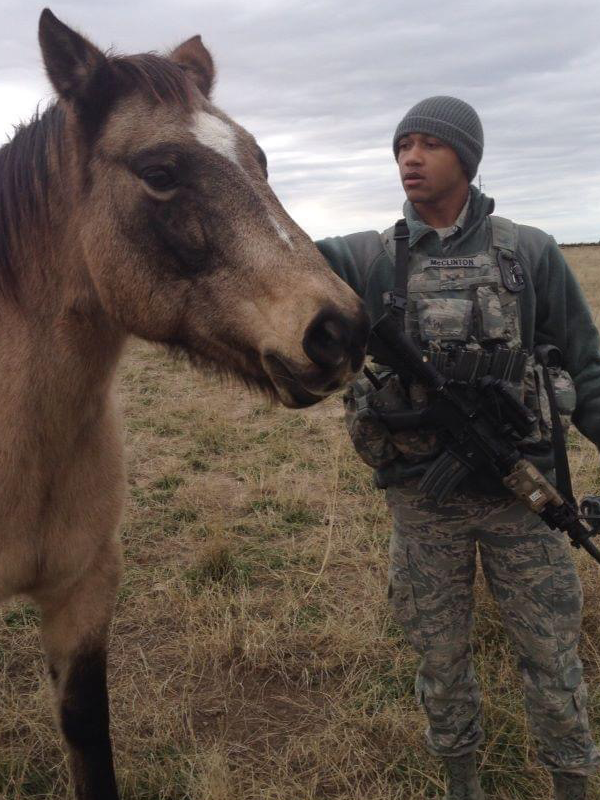
The McClinton family’s tradition of service continued when Mr. McClinton’s son also named Russell joined the U.S. Air Force and served for 4 years marking three generations of Air Force veterans.
A Pathway to Purpose and Transformation
Beyond the tangible skills, military life offers something deeper — a sense of purpose, belonging, and pride. For young men and women searching for direction or discipline, the structure of service can be life-changing. It instills accountability, teamwork, and resilience that remain long after the uniform comes off.
Serving alongside people of every background and seeing the power of unity in action shapes perspective in profound ways. And when veterans return home, they bring that same focus and leadership to their communities, churches, and businesses.
Supporting the Next Generation of Black Service Members
As America faces recruiting challenges across all branches, the need for continued outreach to Black communities has never been greater. Encouraging our youth to explore military service isn’t about pushing them toward war — it’s about guiding them toward discipline, opportunity, and transformation.
The armed forces can be a launchpad for those who may not see a clear path in front of them — a chance to learn a trade, earn an education, and gain the confidence to lead in any field they choose. Just as importantly, it ensures that the voices, leadership, and brilliance of Black Americans remain central to shaping this nation’s defense — and its future.
These stories — from A.G. Gaston’s post-war entrepreneurship to Jarrod Sims’ modern-day advocacy — reveal how military service and community advancement remain inseparable. The discipline, teamwork, and leadership forged in uniform continue to build stronger communities, proving that those who serve our country often return home to serve it again — through business, mentorship, and opportunity.
A Final Reflection
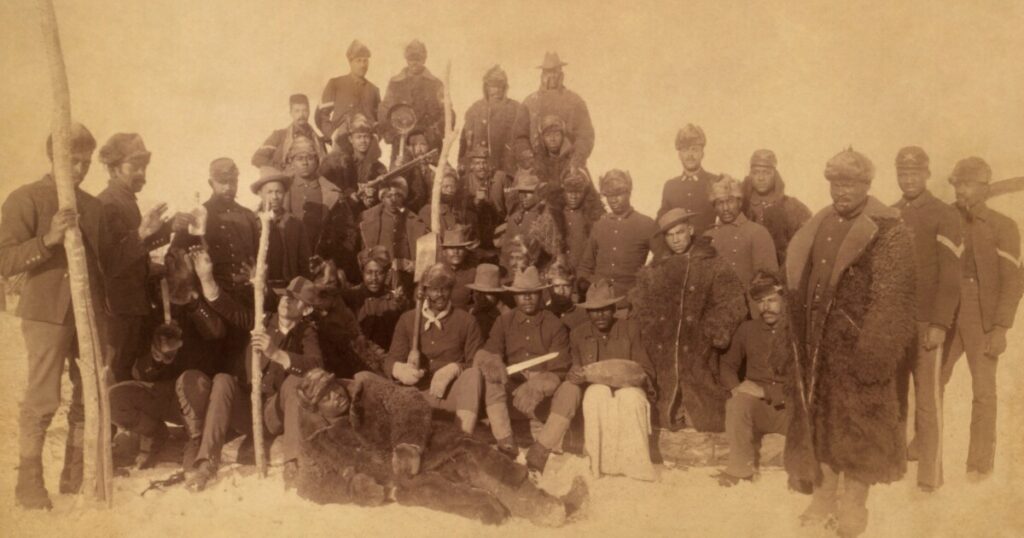
From the outside looking in, Black America’s story in the armed forces is one of courage, contribution, and continuous transformation. From the Buffalo Soldiers and Tuskegee Airmen to Birmingham’s own veterans turned civic and business leaders, each generation has proven that service to country can also be service to community.
As we honor their past and invest in their future, may we continue to inspire new soldiers, sailors, airmen, and marines — not only to defend the nation, but to rebuild and reimagine it long after they return home.
Happy Veterans Day!
