
From The Outside Looking In: Will Just 1 in 4 Decide Birmingham’s Mayor Again?
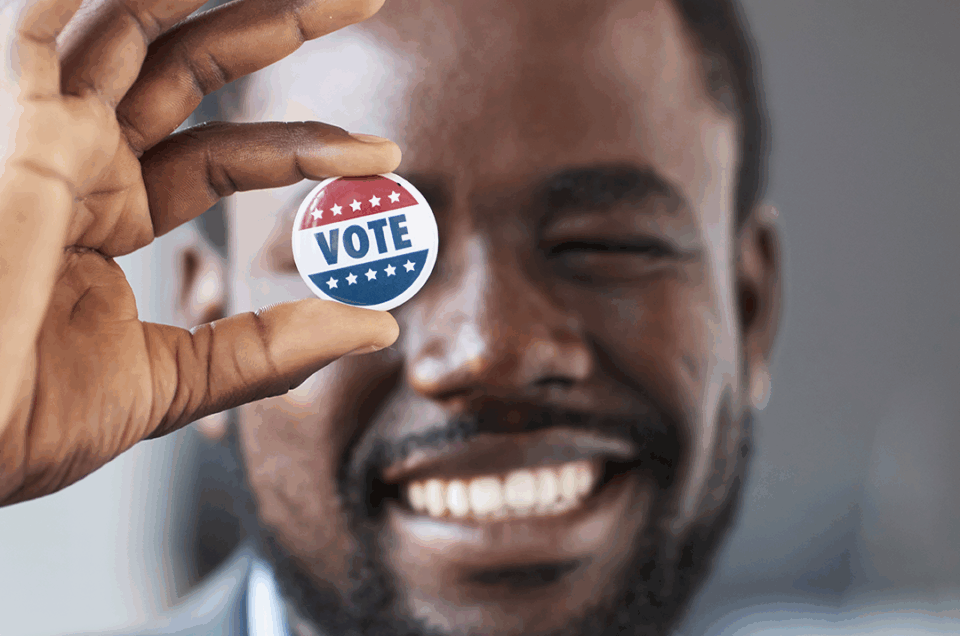
In Birmingham, the choice of who becomes mayor has historically been made by only a fraction of the people who could vote. In the last election, just one in four registered voters showed up at the polls, leaving the majority of residents on the sidelines. This disconnect may stem from several issues: frustration with politics, lack of trust in leadership, voter fatigue, limited awareness of local elections, or barriers such as work schedules and transportation. The result is that a small slice of the electorate wields outsized influence over decisions that affect everyone. And in many cases, lower voter turnout tends to benefit incumbents and those already connected to established networks of power.
Voter Turnout — 2021 Birmingham Mayoral Race
- 36,791 ballots were cast in the mayoral contest out of 145,564 registered voters, giving a turnout of approximately 25.3%.
- Another source lists the turnout as 25.27%, essentially the same figure.
Bottom line: Only about one in four registered Birmingham voters participated.
Mayoral Vote Breakdown (by Percentage of Votes Cast)
| Candidate | Votes | Percentage of Votes Cast |
| Randall Woodfin (incumbent) | ~23,616 | 64.3% |
| Lashunda Scales | ~7,625 | 20.8% |
| William A. Bell | ~3,354 | 9.1% |
| Chris Woods | ~1,562 | 4.3% |
| Cerissa Brown | ~237 | 0.6% |
| Philemon Hill | ~149 | 0.4% |
| Darryl Williams | ~120 | 0.3% |
| Napoleon Gonzalez | ~47 | 0.1% |
From The Outside Looking In…
- Only 25% of registered voters turned out—typical for municipal races, but still low for decisions impacting local governance.
- With 64% of that vote, Randall Woodfin secured a strong majority—no runoff needed.
- One fifth of those who voted chose Lashunda Scales, while other candidates lagged behind, with William Bell capturing under 10%.
- Even though Woodfin achieved a decisive win among actual voters, the overall endorsement from Birmingham’s registered electorate hovers closer to 16%—a reminder that low turnout can significantly shape outcomes.
We should also mention that low voter turnout is typical across the United States particularly when they’re scheduled during odd-numbered years or separate from federal or state elections. The most engaged Birmingham electorate in recent history was 1979—when over half of voters participated in electing Richard Arrington Jr., the city’s first African-American mayor. This equated to approximately 71,640 ballots out of 128,561 registered voters.
While turnout remains low, the buzz online tells a different story. In the weeks leading up to and following Birmingham’s mayoral races, social media platforms often light up with heated exchanges, sharp commentary, and even bickering between candidates and the public. Ironically, much of this energy comes from audiences who aren’t even eligible to vote in the city’s elections—outsiders, national voices, or residents of surrounding areas. The chatter may create the illusion of engagement, but it does little to translate into ballots cast. In the end, the noise on social media often overshadows the real work of showing up at the polls, leaving the actual decisions in the hands of a small fraction of Birmingham’s voters.
Election Day is Tuesday, August 26, 2025.
