
More Than a Celebration: BCAAC’s We Are One Shines a Light on Opportunity for Black Contractors
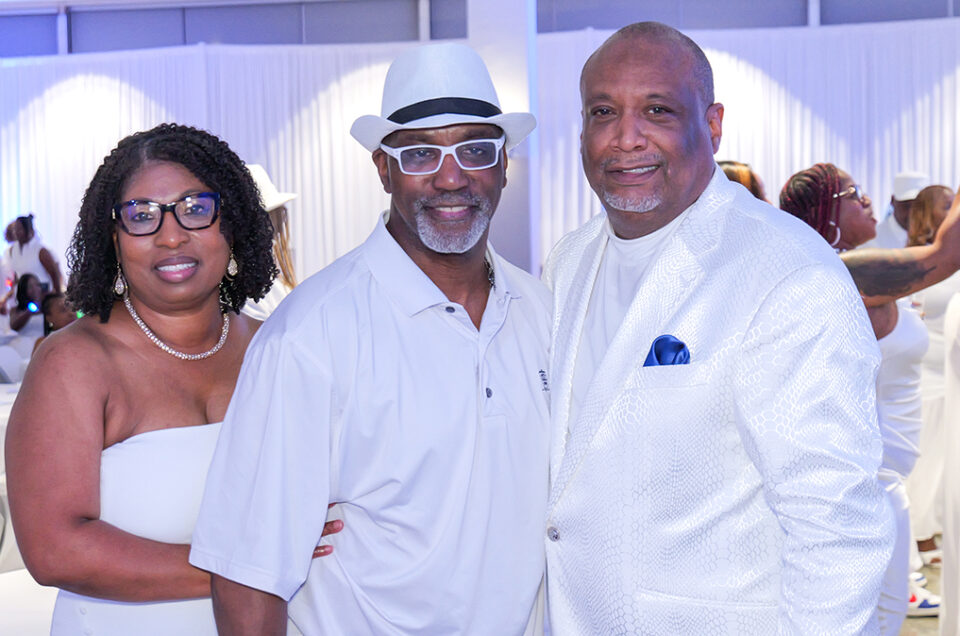
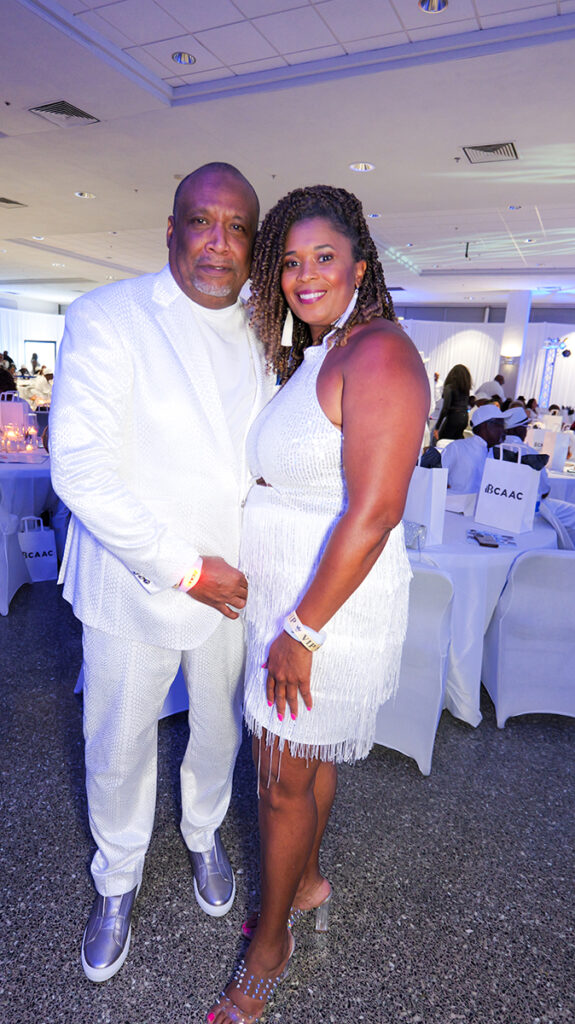
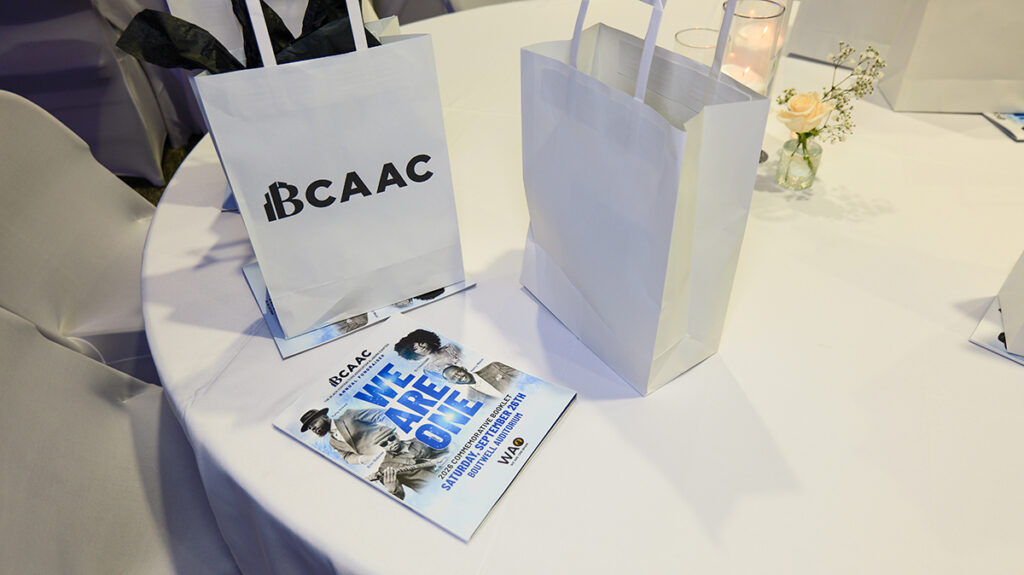
For a few hours on Saturday, September 26th the Birmingham’s historic Boutwell Auditorium was transformed into an elegant all-white celebration filled with food, laughter, live music and community.
The Black Contractors Association – Alabama Chapter (BCAAC) returned September 26 for its annual fundraiser and Third Annual We Are One All-White Celebration, bringing what appeared to be a packed house together for a night designed to celebrate culture, community and the people who help build Alabama. The official event included curated food stations, live entertainment and an all-white dress code that gave the evening the feel of one of Birmingham’s signature social events.
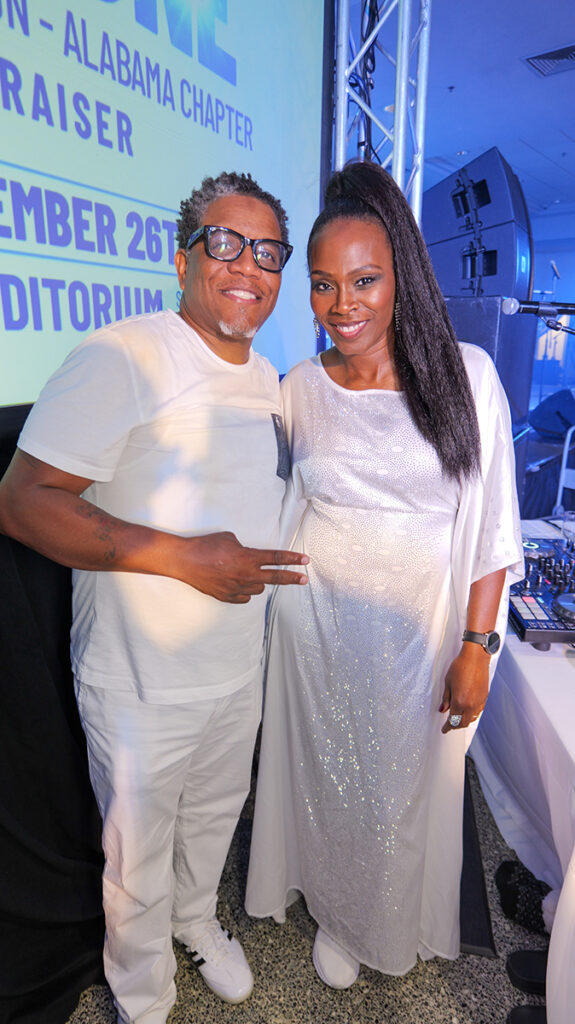
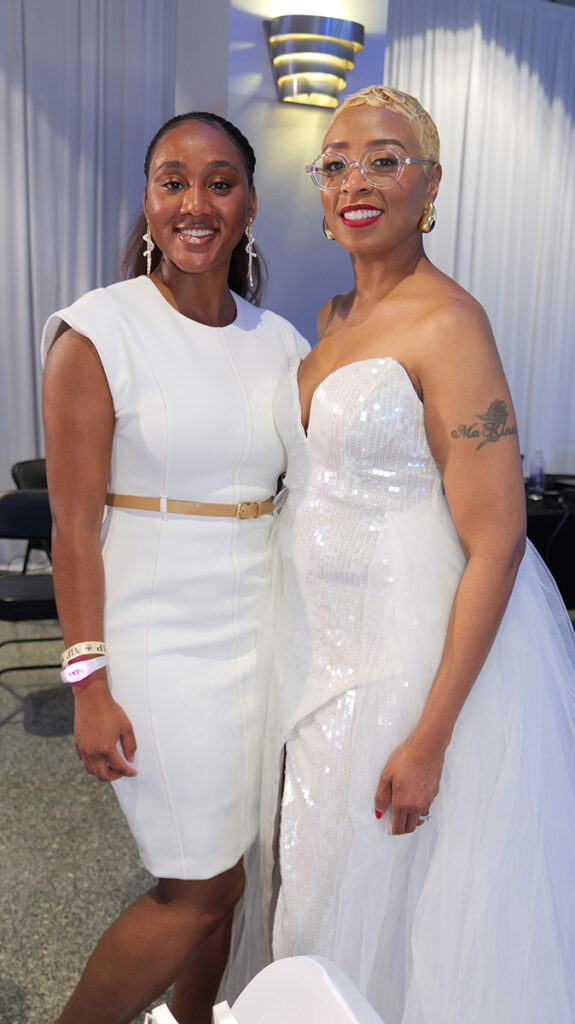
But somewhere between the music, food and celebration came the most important message of the night.
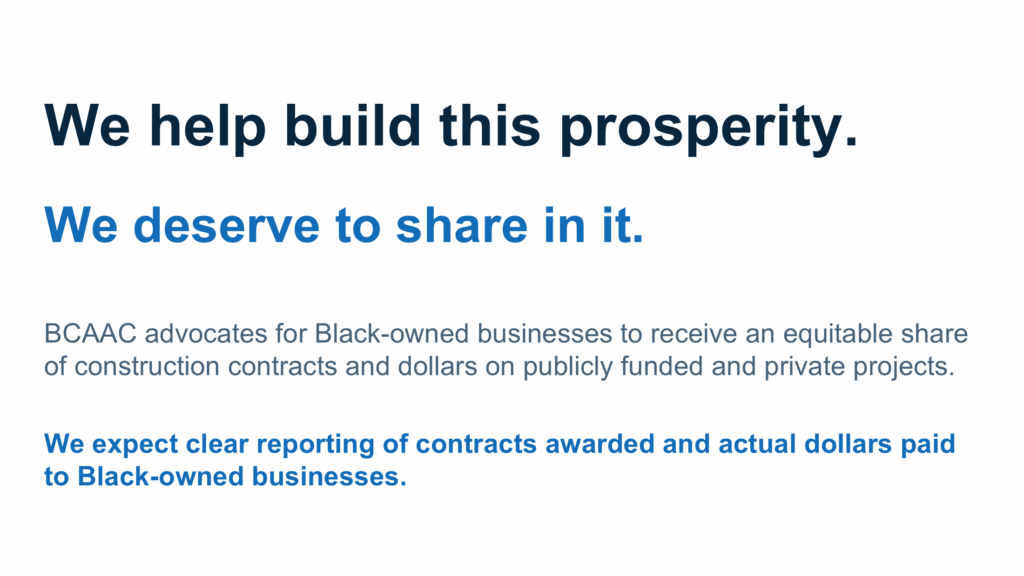
BCAAC President Jarrod Sims reminded those gathered that behind the celebration is a serious mission: expanding access and opportunity for Black contractors and businesses seeking a fair chance to participate in the billions of dollars being invested in construction and development throughout Alabama.

His opening message captured the organization’s broader view of the construction economy: every major project creates opportunities not only for general contractors, but also subcontractors, tradespeople, architects, engineers, suppliers and even businesses providing photography, printing, catering and other services.
In other words, when major projects are built in Alabama, BCAAC wants to know who gets an opportunity to help build them—and who benefits economically from that work.
Birmingham Talent on a National Level
The evening’s entertainment demonstrated that Birmingham doesn’t have to look far to find national-caliber talent.
Birmingham native Henry Welch returned home as host, bringing a career that includes appearances on BET’s Comic View, HBO’s Def Comedy Jam and Showtime’s The Big Black Comedy Show. The Parker High School and Alabama State University alumnus has performed around the country and also appeared as Mister Walter in T.I.’s film Da’Partments. (The Birmingham Times)
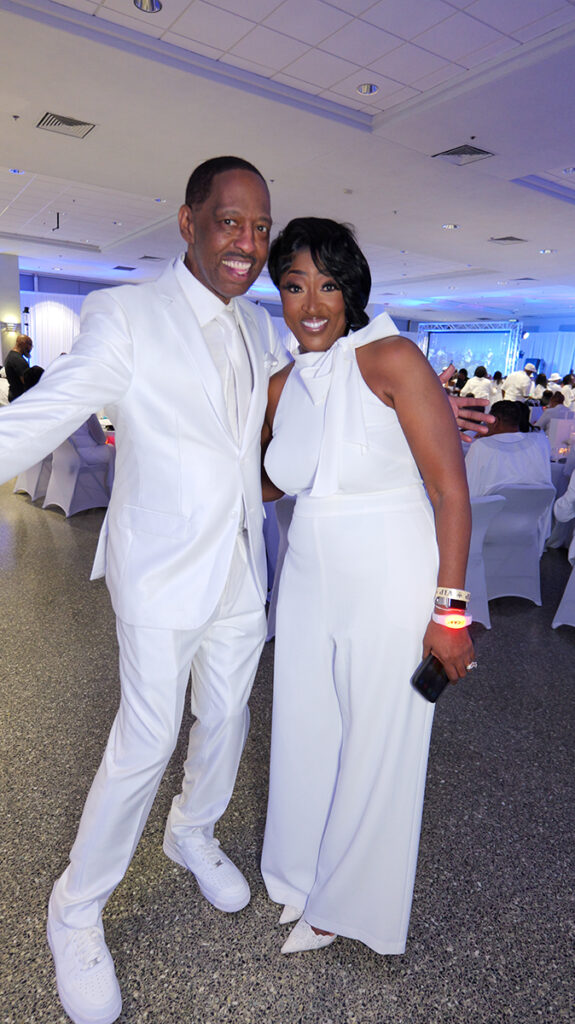
Yung Vokalz & The Movement brought the live music, continuing a presence that has made the group a familiar part of Birmingham’s live entertainment scene. The group regularly appears at venues around the region.

The evening also featured Birmingham guitarist Eric Dubose, whose résumé extends well beyond Alabama. Dubose has toured as a guitarist for legendary vocalist Patti LaBelle and has recorded or performed with artists including Ruben Studdard, Johnny Gill and others. He was also part of LaBelle’s band for her NPR Tiny Desk (Home) Concert. (VPM: Virginia’s Home for Public Media)

Keeping the party moving was Phaith “DJ Chocolate” Frazier, a professional DJ, media and marketing professional and founder of Grown and Greek®. Her career has crossed radio, professional sports, marketing, theater, media and entertainment, while her work as a DJ has taken her beyond Alabama. The Birmingham Times has documented her work building Grown and Greek into a platform celebrating the service and accomplishments of members of the Divine Nine. (The Birmingham Times)
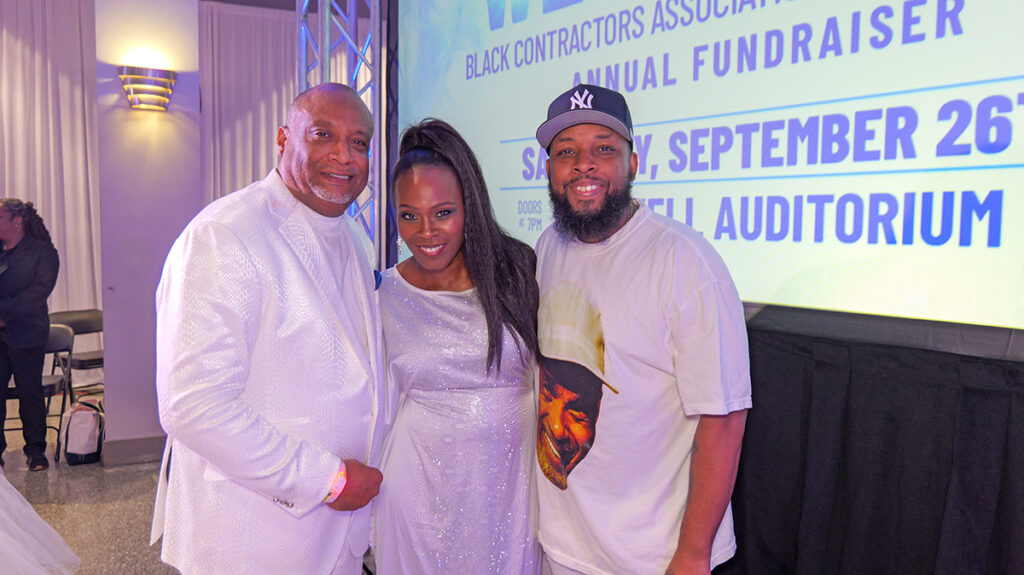
Together, the lineup gave We Are One the atmosphere of a major Birmingham night out.
But BCAAC made clear that the party has a purpose.
A Fight That Didn’t Begin Yesterday
Sims’ presentation placed today’s concerns in historical context.
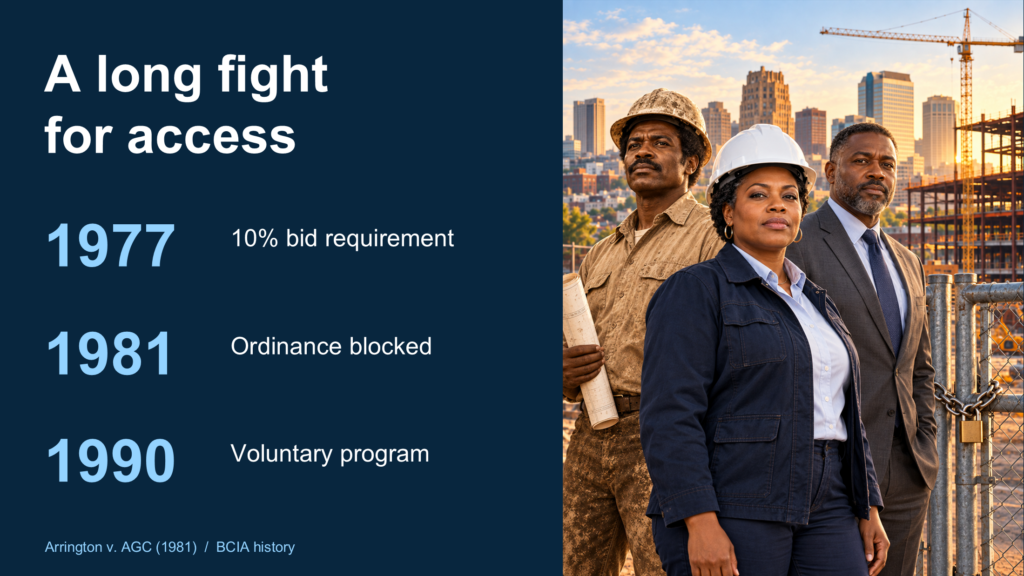
The fight for access to Birmingham’s construction economy stretches back decades. In 1977, Birmingham Mayor David Vann required a 10-percent minority commitment in city bid specifications. That effort was challenged by the Alabama branch of the Associated General Contractors and several contractors. A later amended ordinance used a 15-percent goal, with a 10-percent plan accepted as evidence of good-faith compliance, before litigation ultimately blocked the ordinance.
By 1990, the Birmingham Construction Industry Authority’s Birmingham Plan established a voluntary approach to minority participation.
For BCAAC, that history matters because the fundamental question has remained remarkably consistent:
Are qualified Black contractors getting a fair opportunity to compete for the work?
Sims explained that an earlier effort to organize the Birmingham Association of Black Contractors began in 1994 but did not last. The need for advocacy, however, remained. Today’s BCAAC sees itself as a collective voice asking who has access to work, who makes contracting decisions and whether the results match the promises of opportunity.
The Number That Changed the Tone of the Room: 0.94 Percent
Perhaps the most striking moment in the presentation came when Sims turned to one of Birmingham’s most visible recent developments: the Coca-Cola Amphitheater.
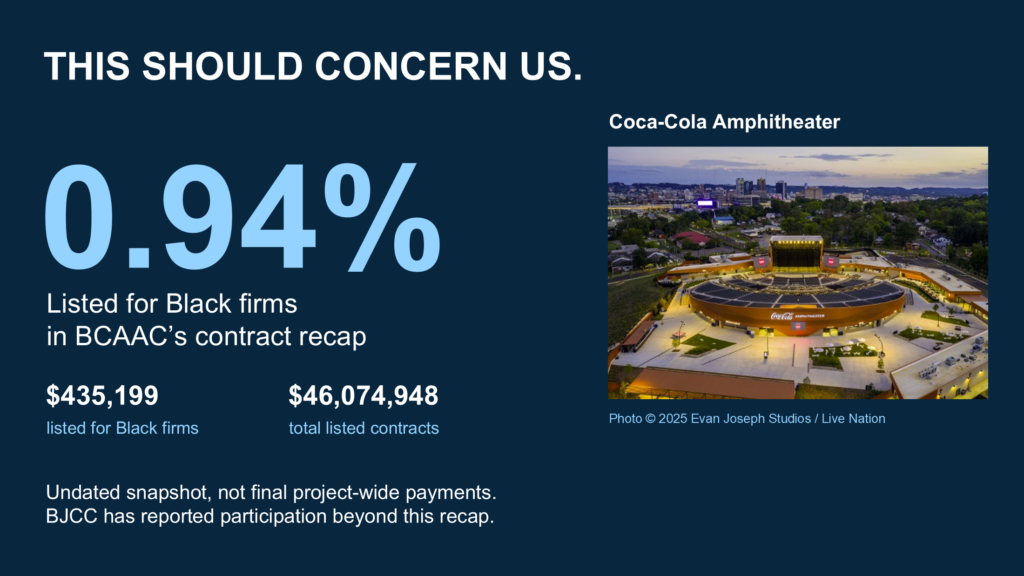
According to a contract recap supplied to BCAAC, $46,074,948 in contracts were listed. Of that amount, $435,199 was listed for Black firms—0.94 percent. (Less than 1%)
That figure requires an important qualification, one Sims’ presentation itself acknowledged.
BCAAC describes the figures as an undated snapshot rather than the final accounting of all project-wide payments, and the Birmingham-Jefferson Convention Complex has reported participation beyond the contracts included in BCAAC’s recap. BCAAC is therefore calling for the complete record rather than presenting 0.94 percent as the final Black participation rate for the entire project.
And that distinction gets directly to what the organization says it wants.
BCAAC is asking for clear reporting showing who received contracts, how much those contracts were worth and how much money businesses were ultimately paid. It also wants Black-business participation reported separately rather than being combined into broader minority- and women-owned business totals.
The organization is not simply asking, Who was invited to the table?
It is asking, Who actually got the work, and who got paid?
A Changing Environment for Diversity and Contracting
Sims also addressed Alabama’s changing political and legal environment surrounding diversity, equity and inclusion.
Alabama enacted SB129, now Act 2024-34, in 2024, restricting certain DEI programs at covered public institutions. BCAAC’s presentation was careful not to claim that the law explains every contracting decision. In fact, the presentation specifically noted that construction services are excluded from the act’s definition of “contractor” and that the law contains exceptions.
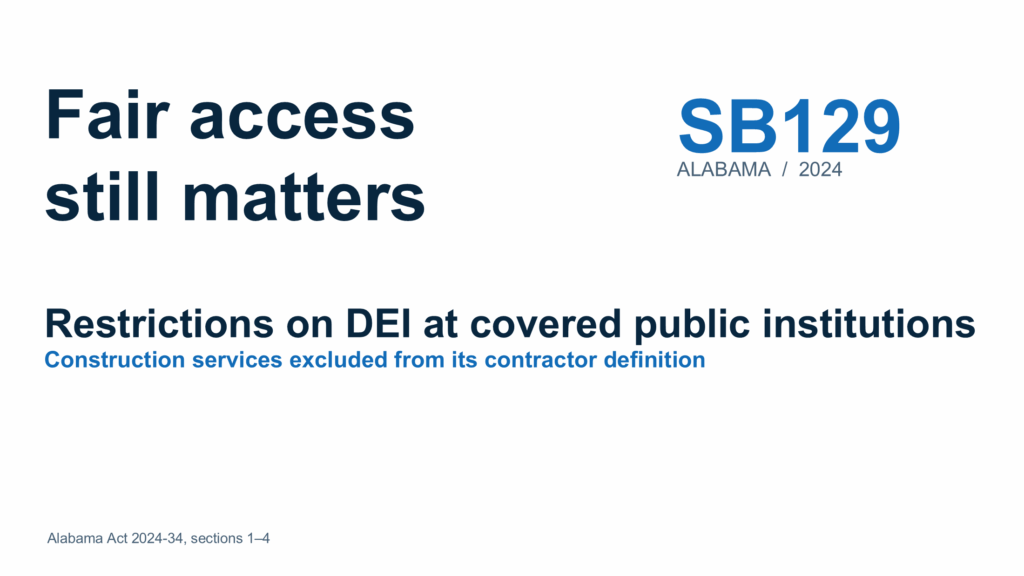
BCAAC’s position is broader than one law: qualified Black businesses should have a fair opportunity to compete, and institutions making contracting decisions should be able to explain both their processes and their results.
That distinction is important because the organization isn’t simply fighting for a percentage on a spreadsheet. It is fighting for access to an economic ecosystem.
A Contract Is Bigger Than a Contract
One of the strongest points of Sims’ presentation was also one of the simplest.
A contract creates work.
It can allow a business owner to hire employees, pay subcontractors, purchase equipment, support a household, grow a company and prepare to compete for the next project.
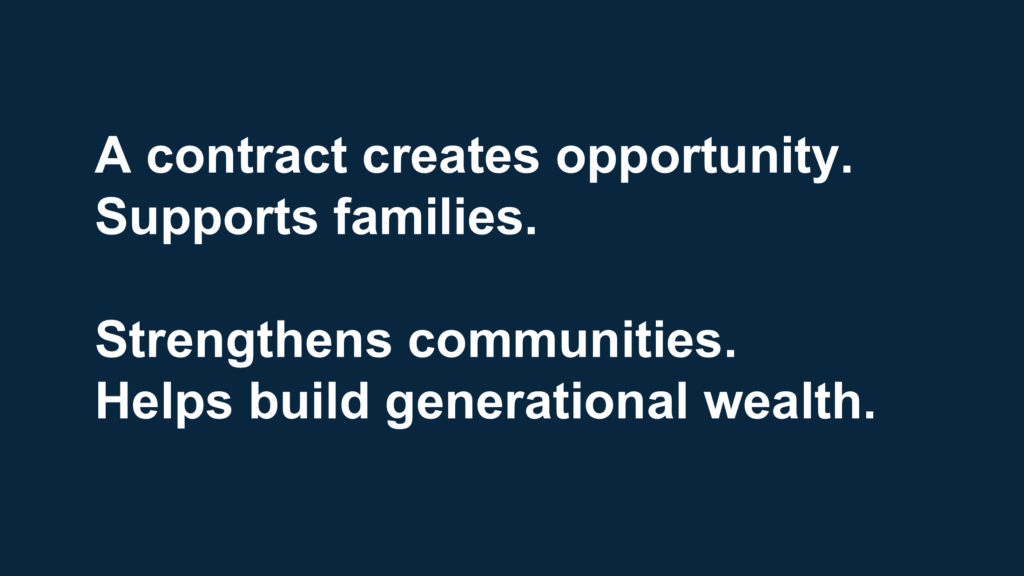
As BCAAC put it during the presentation, contracts can support families, strengthen communities and help build generational wealth.
And the organization’s definition of who belongs in that conversation is intentionally broad.
Electricians and plumbers are part of it. So are builders, architects, engineers and suppliers. But a major construction project can also require trucking, security, food service, photography, printing, marketing and numerous other professional services.
BCAAC’s message is that economic inclusion should extend throughout that chain of opportunity.
From Celebration to Action
That is what ultimately gave the We Are One celebration its meaning.
The crowd could dress in white, eat, laugh at Henry Welch, dance to DJ Chocolate and enjoy Yung Vokalz, The Movement and Eric Dubose—but BCAAC wanted attendees to leave Boutwell understanding why the organization needs them after the music stops.

Sims told the audience that membership, financial support, connections and time give the organization’s advocacy staying power. BCAAC needs people who can follow projects beyond their announcements, organize information, identify opportunities early and connect qualified businesses before those opportunities have passed.
The presentation ended not simply with “We Are One,” but with a call to turn that unity into action:
Stand with us. Stay engaged. Help us keep the work moving forward.
Here’s How You Can Support BCAAC
You don’t have to own a construction company to support the work.
Contractors and construction-related businesses can join BCAAC and become part of its growing network. Individuals and companies can support the organization’s advocacy financially, volunteer their time, make introductions and partnerships, and connect BCAAC with qualified Black-owned businesses that may not yet know the organization exists.

And sometimes the easiest contribution is simply sharing the organization with a contractor, tradesperson, supplier or construction professional in your family or network.
BCAAC’s presentation challenged supporters to bring what they have—a little time, a business connection, professional expertise or financial support—and put it to work.
Readers can learn more about the Black Contractors Association – Alabama Chapter, explore membership and support opportunities, connect with the organization and sign up to stay informed through its website: Visit the Black Contractors Association – Alabama Chapter
More information about the annual celebration is available at WeAreOneBham.com.
For BCAAC, September 26 was a night to celebrate how far the community has come. But Jarrod Sims’ message made the larger point clear: being in the room is important; having a fair opportunity to help build the next one is even more important.
We Are One. Now the work continues.