
Part 4: So Where Does Birmingham’s Drinking Water Come From?
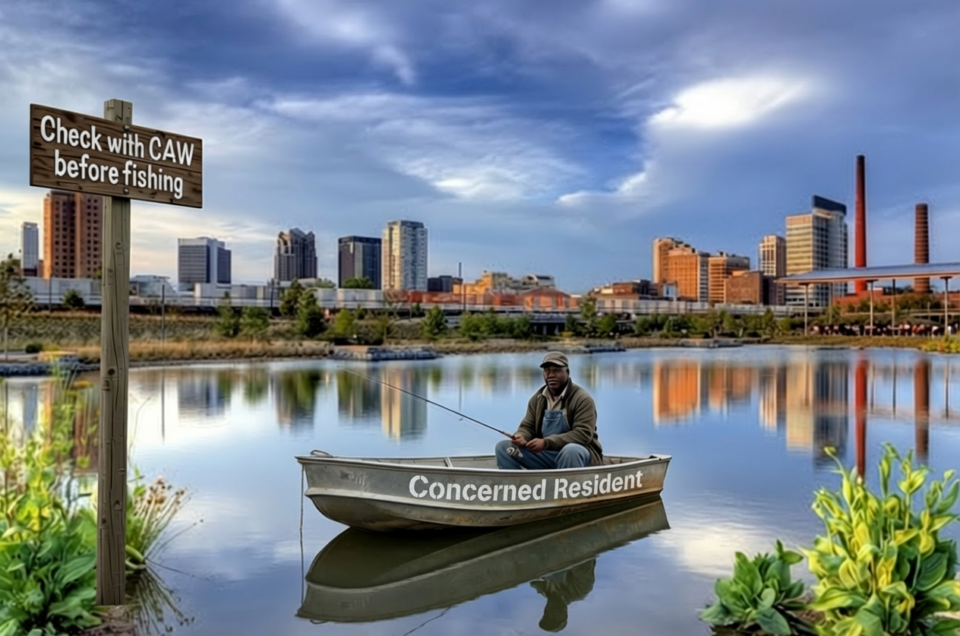
It’s a fair question—and one many Birmingham residents ask once they really stop to think about it.
There is no large lake sitting inside the city limits of Birmingham supplying drinking water. No reservoir tucked behind neighborhoods. No visible body of water labeled “Birmingham Lake.” Yet millions of gallons of clean water flow into homes, schools, businesses, and hospitals every day.
So where does it actually come from?
The Short Answer: Birmingham’s Water Comes From Outside the City
Birmingham’s drinking water comes from local Central Alabama water sources, just not from within the city itself.
The primary sources feeding the system now operated by Central Alabama Water are:
- Lake Purdy, located south of Birmingham
- Inland Lake, located northeast of the city
Lake Purdy is fed by the Cahaba River, one of the most biodiverse rivers in North America, while Inland Lake draws from streams connected to the Black Warrior River watershed.
Together, these lakes supply the vast majority of drinking water for the Birmingham metro area.
Not in Birmingham—But Built for Birmingham
While these lakes are outside city limits, they were developed specifically to serve Birmingham.
For more than a century:
- Birmingham residents paid into the system as ratepayers
- Infrastructure was built to move water into the city
- Treatment plants and pipelines were designed around Birmingham’s needs
So even though the water originates outside city boundaries, Birmingham has always had a direct stake in the system—financially, historically, and practically.
The water didn’t change. The governance did.
How the Water Gets to Your Tap
Here’s the simplified version of the process:
- Water is collected from Lake Purdy and Inland Lake
- It is treated at major filtration plants serving the metro area
- Clean water is distributed through hundreds of miles of underground pipes
- It reaches homes, businesses, schools, and fire hydrants across Birmingham
Most residents never see this infrastructure—but they depend on it every day.
So Is It a Problem That Central Alabama Water Now Controls It?
Not automatically.
A regional authority can bring benefits like broader planning, shared costs, and system stability. But concerns arise when local accountability and community voice do not move with the system.
For Birmingham residents—particularly Black communities that:
- Make up a large portion of the customer base
- Live closest to aging infrastructure
- Historically relied on public utilities for economic opportunity
…the question becomes less about geography and more about who makes decisions.
Who sets rates?
Who decides where infrastructure dollars go?
Who gets access to contracts and jobs tied to the system?
Why Birmingham Residents Still Have a Stake
Even without a lake inside the city, Birmingham residents:
- Helped finance the system
- Depend on it daily
- Bear the impact of decisions tied to it
That’s why conversations about transparency, accountability, and inclusion matter. Water is a public resource—and public systems work best when the people who rely on them have a meaningful voice.
Why Groups Like the Black Contractors Association Matter
Organizations like the Black Contractors Association – Alabama Chapter play a critical role in ensuring that public infrastructure benefits the communities that helped build it.
Their mission focuses on:
- Fair access to public contracting
- Supporting Black-owned construction and trade businesses
- Advocating for equitable economic development
- Holding public systems accountable
As Birmingham continues to navigate changes in how its water system is governed, that advocacy helps keep community interests at the center of the conversation.
The Bottom Line
There may not be a lake in Birmingham—but the water has always belonged to the region and the people who depend on it.
Understanding where it comes from is the first step.
Understanding who controls it and who benefits from it is the next.
Continue following Urbanham’s ongoing coverage of Central Alabama Water and community impact across Birmingham.
Part 1: How Birmingham Lost Local Control of Its Water System
Part 2: Water, Access, and Accountability: A Birmingham Community Concern
Part 3: What Comes Next? How Community Organizations Can Fight for Access After the Water Takeover
Part 4: So Where Does Birmingham’s Drinking Water Come From?
