
We REALLY Like What’s Going On In Irondale
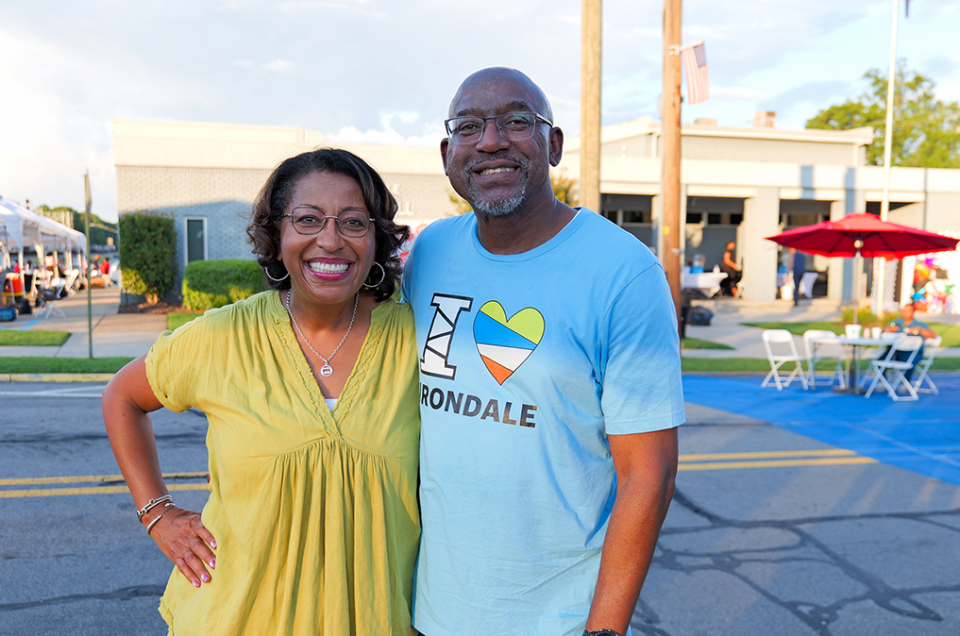
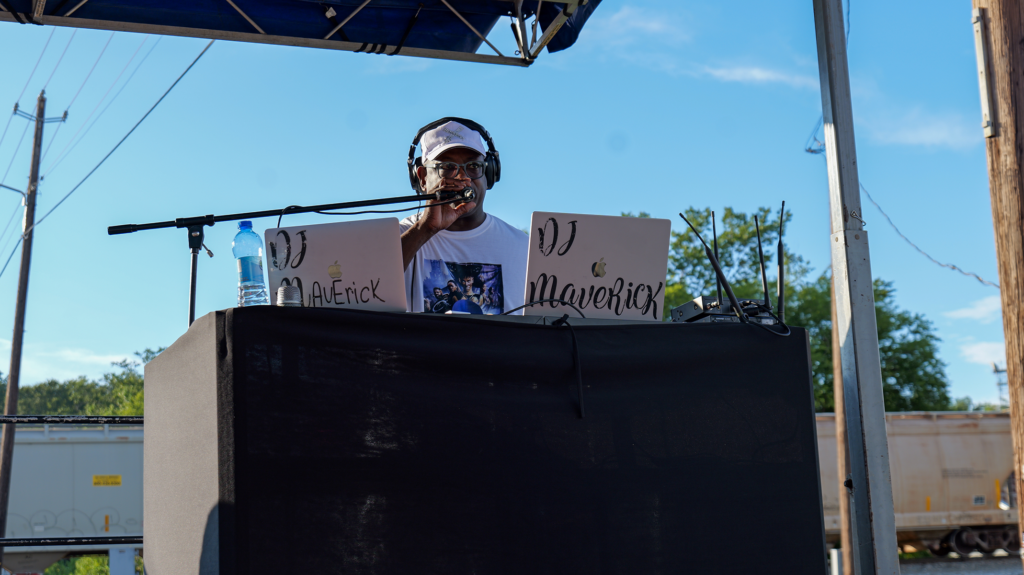
My visit to Irondale began with an invitation from entrepreneur Willie Hudgins, better known as DJ Maverick. The occasion was the City of Irondale’s Back-to-School Pep Rally, presented by Mayor James D. Stewart Jr. From the moment I arrived, it was clear this was more than just another community event. Streets closed to traffic had been transformed into a vibrant and fun gathering place where city employees, educators, families, volunteers, local businesses, and community organizations came together with one common purpose—preparing students for a successful school year. Backpacks and school supplies were distributed, words of encouragement were shared, and the excitement surrounding the start of a new school year was evident throughout the crowd. Seeing youth sports teams proudly wearing their jerseys—especially the football players—was a reminder that, across Alabama, the arrival of fall represents more than a new season. It marks the return of school, community traditions, Friday night lights, and the shared experiences that bring cities together.
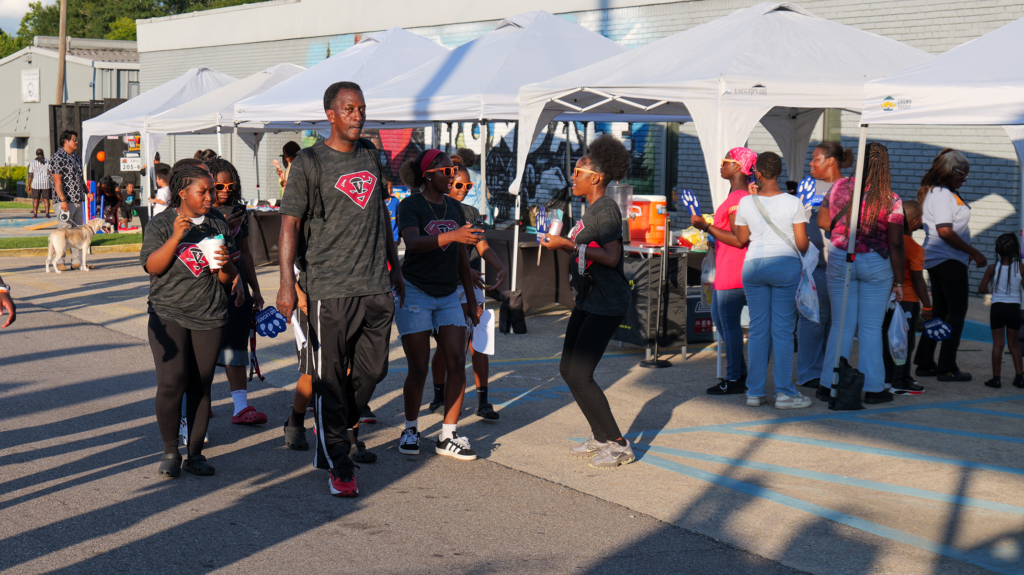
What made the day especially memorable was seeing so many people who represented different chapters of my life. I ran into Coach George Bates and members of the Shades Valley High School football team. I’ve known Coach Bates since he was a young child running around West End with a football in his hands, so seeing him again after all these years was a reminder of just how connected our communities really are.
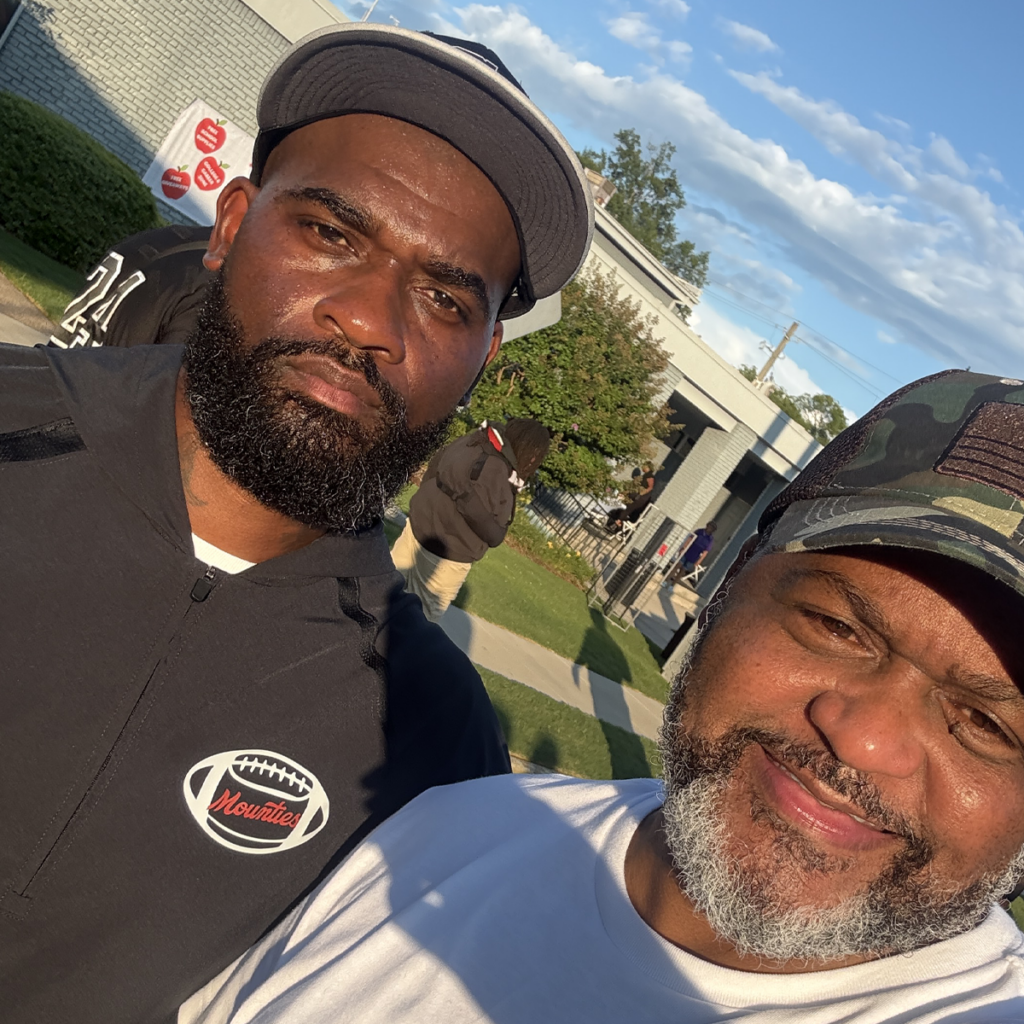
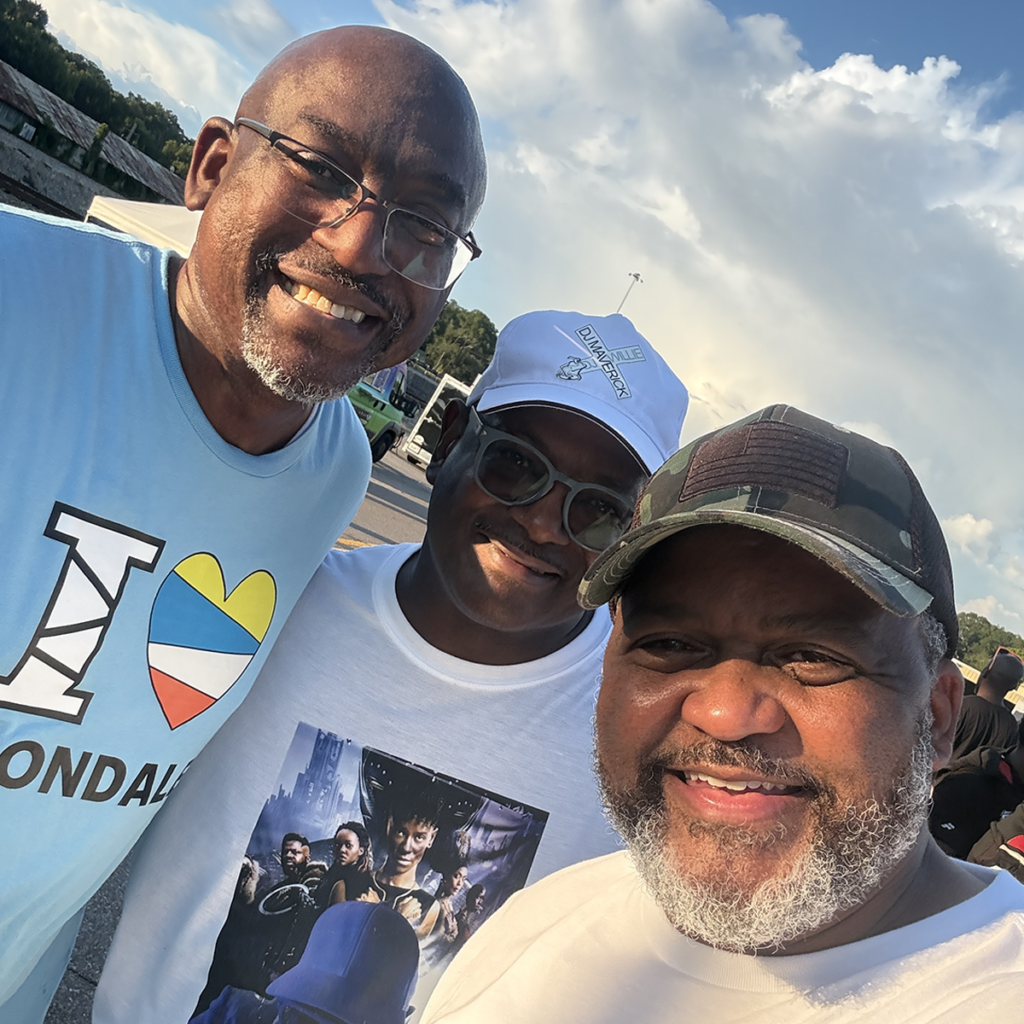

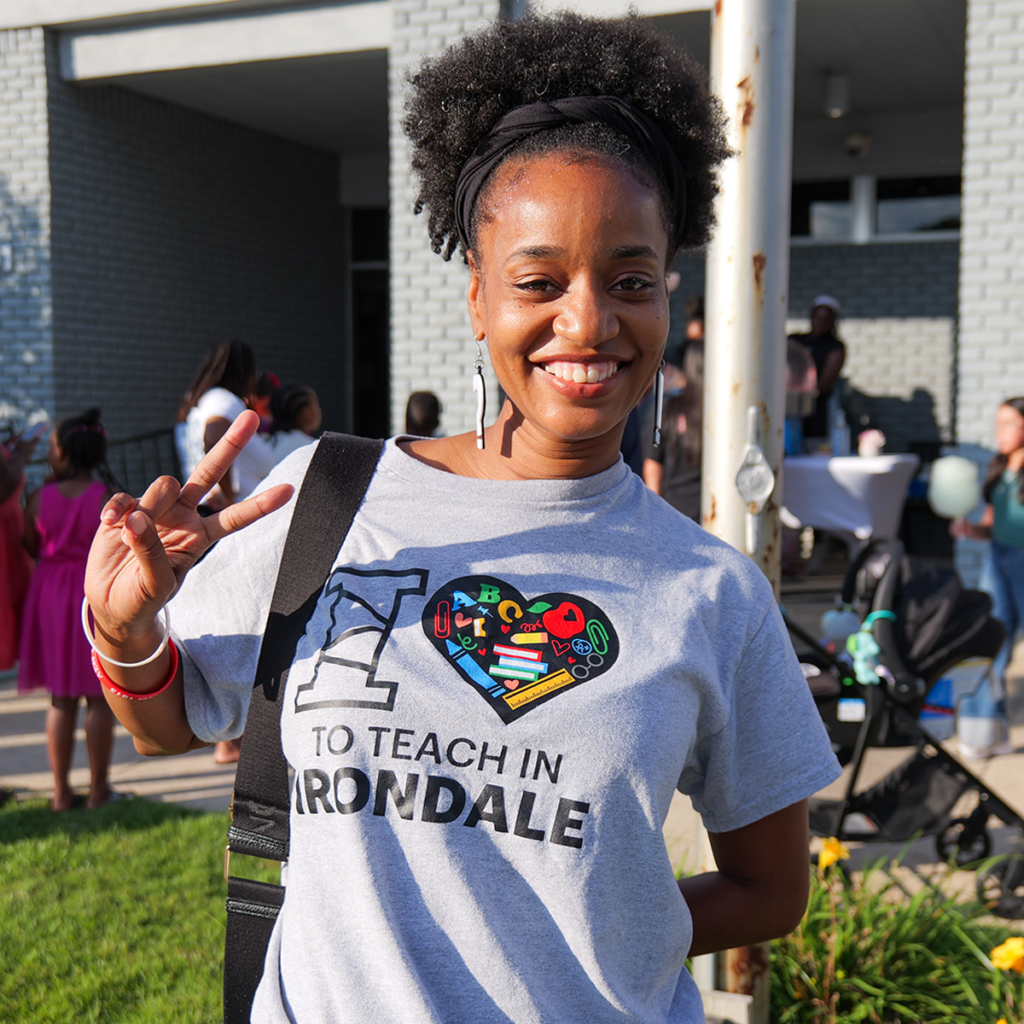
As I continued walking through the event, I reconnected with former church members, a former Urbanham.com model who is now a veteran educator in the city, and Mayor James D. Stewart Jr., who reminded me that our paths first crossed many years ago through mutual friends Vickii Howell and Jeff Melton around the time I launched Urbanham.com. Those conversations reinforced something I’ve long believed about the communities we serve: relationships have a way of coming full circle.
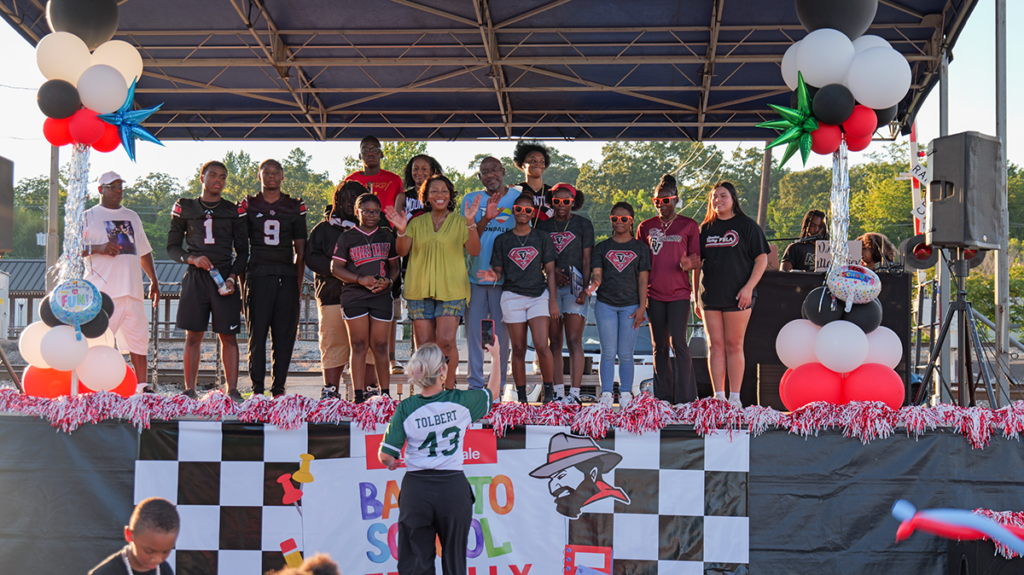
Mayor Stewart and First Lady Kimberly Myles-Stewart personally presented spirit packs to a participant from each of Shades Valley High School youth sports programs while DJ Maverick kept the crowd energized with music. It was the kind of event that reminds you why community matters and why investing in young people will always be one of the most important investments any city can make.
Over the past year, Irondale has become one of the most talked-about cities in the region. The team behind promoting the city is putting on a master class as I see a very healthy amount of social media content and television ads on a daily bases. Then there are the big projects. The announcement of a new Costco has generated headlines across Alabama. Plans for a new civic center continue moving forward. The city is also exploring the possibility of creating its own municipal school system as residential growth continues to gain momentum, and developers are beginning to take a closer look at opportunities throughout the community.
A City Built on Opportunity
Like Birmingham, Irondale’s history is rooted in Alabama’s industrial beginnings. Located approximately 8 miles east of downtown Birmingham, the city grew alongside the region’s booming iron and steel industry. Iron ore, railroads, manufacturing, and commerce transformed what was once a small settlement into an important transportation and commercial gateway for eastern Jefferson County. Its location along major rail lines made Irondale an ideal home for businesses that depended on moving people, raw materials, and finished goods to markets throughout the Southeast.
More than a century later, geography remains one of Irondale’s greatest assets.
The difference is that today’s economy looks very different than it did when the city was founded. Railroads have been joined by interstate highways. Manufacturing has expanded into logistics, healthcare, retail, technology, and professional services. Consumers no longer make shopping decisions based solely on the closest location. They choose destinations that provide value and convenience, even if that means driving a little farther.
That shift may explain why Irondale finds itself in such a unique position today.
Costco Is the Headline. The Story Is Much Bigger.
Much of the most recent attention surrounding Irondale has focused on Costco, and understandably so. A nationally recognized retailer making a significant investment in any community is newsworthy. However, from an economic development standpoint, Costco represents something much larger than a new place to shop.
Economic development professionals often describe major retailers as anchor businesses because they attract additional investment. A destination retailer changes consumer behavior. Families traveling from Pell City, Moody, Trussville, Chelsea, Oxford, Anniston, Center Point, or other nearby communities are unlikely to make a trip to Costco without also purchasing fuel, eating at local restaurants, shopping at neighboring businesses, or running additional errands.
Every additional stop creates new economic activity.
Every additional customer creates new opportunities for local businesses.
Every successful project gives another developer confidence to invest nearby.
This is how commercial corridors are created—not through a single project, but through momentum.
Geography May Be Irondale’s Greatest Competitive Advantage
One of the reasons Irondale is positioned for this type of growth is simple: location.
Few communities in Alabama have immediate access to Interstate 20, Interstate 59, Interstate 459, U.S. Highway 78, Highway 11, downtown Birmingham, and Birmingham-Shuttlesworth International Airport. That level of connectivity makes Irondale accessible to a large portion of central Alabama.
Technology has only strengthened that advantage.
Twenty years ago, shoppers typically stayed close to home. Today, navigation apps like Google Maps, Apple Maps, and Waze have fundamentally changed how people travel. Consumers simply enter a destination, compare travel times, and go. City limits have become less important than convenience. That shift makes it much easier for travelers to exit the interstate, grab a meal or shop for groceries and household supplies at one of the country’s top retailers.
For Irondale, that means the city’s customer base extends far beyond its population. It includes residents from throughout eastern Jefferson County and neighboring counties who can easily access the city using Alabama’s interstate system.
That regional reach is exactly what many national retailers look for when choosing new locations.
Building on an Already Strong Foundation
The Irondale Auto Mall has long attracted automobile buyers from across Alabama, establishing the city as one of the state’s premier destinations for luxury automotive sales. Motion Industries, headquartered in Irondale, has helped position the city as a leader in industrial distribution throughout North America. EWTN continues to broadcast from its global headquarters in Irondale, reaching millions of viewers worldwide, while Wood Fruitticher Grocery Company has strengthened the city’s long-standing reputation as a regional logistics and food distribution hub. Together, these employers illustrate the diverse economic foundation that has supported Irondale’s growth for decades.
More recently, businesses such as K1 Speed have added another dimension to Irondale’s economy by expanding the city’s entertainment and family recreation offerings. The indoor electric go-kart attraction at The Hill at Grants Mill complements nearby regional destinations like Barber Motorsports Park, helping position Irondale as more than just a place to work or shop—it is becoming a place where people choose to spend their leisure time.
Irondale also benefits from being part of a larger regional tourism and retail corridor. Just 10 miles east, visitors can reach The Outlet Shops of Grand River in Leeds, home to more than 70 outlet stores, along with Bass Pro Shops, the Grand River Drive-In, restaurants, and other attractions. Together, these destinations create a powerful regional draw. A family traveling from Anniston, Pell City, Gadsden, or Birmingham can easily spend an entire day shopping, dining, enjoying entertainment, and exploring multiple communities without traveling far from Interstate 20.
That is one of the greatest advantages of eastern Jefferson County. Cities like Irondale and Leeds are not necessarily competing with one another—they are helping build a regional destination that encourages visitors to stay longer, spend more, and return again. From the Outside Looking In, that type of regional cooperation may become one of the area’s greatest economic strengths.
Those businesses have quietly created jobs, generated tax revenue, and built confidence in Irondale long before Costco became part of the conversation.
Looking Beyond Retail
Plans for a new civic center demonstrate an investment in community gathering spaces that serve residents beyond traditional government services. The city is also exploring the possibility of creating its own municipal school system. While no decision has been made, the discussion itself reflects long-term thinking about education, community identity, and future growth.
Across Alabama, communities such as Hoover, Vestavia Hills, Homewood, and Trussville have demonstrated that strong municipal school systems can play a significant role in attracting families, supporting property values, and encouraging long-term residential investment. Beyond the classroom, there are also economic opportunities associated with hosting athletic competitions, academic tournaments, fine arts events, and other school-related activities that bring students, families, and visitors into the community. Those events often generate additional spending at local restaurants, hotels, retail stores, and other businesses.
Exploring a municipal school system appears to be more than an education conversation—it is an economic development conversation. Considering Mayor James D. Stewart Jr.’s background as an accountant, financial educator, pastor, former city council member, and city clerk, it is not surprising that his administration has approached growth through a strategic lens. Rather than focusing on a single high-profile project, the city appears to be building a long-term vision that combines economic development, infrastructure, education, and quality-of-life investments. Whether it’s recruiting a major retailer like Costco, planning a new civic center, or evaluating the feasibility of an independent school system, each initiative seems to support a broader strategy for positioning Irondale for sustained growth.
When businesses evaluate where to expand, they often consider workforce quality, schools, housing, and quality of life alongside infrastructure and taxes. Those pieces work together to shape a community’s future.
A Master Class in Public Relations
What is already becoming clear, however, is that Irondale has developed a vision for where it wants to go—and just as importantly, it has done an effective job communicating that vision.
Under the leadership of Mayor James D. Stewart Jr. and his administration, the city has consistently positioned itself in conversations about growth, investment, and opportunity. From business recruitment and infrastructure improvements to community events, quality-of-life initiatives, and long-range planning, Irondale has presented itself as a city preparing for the future rather than waiting for it.
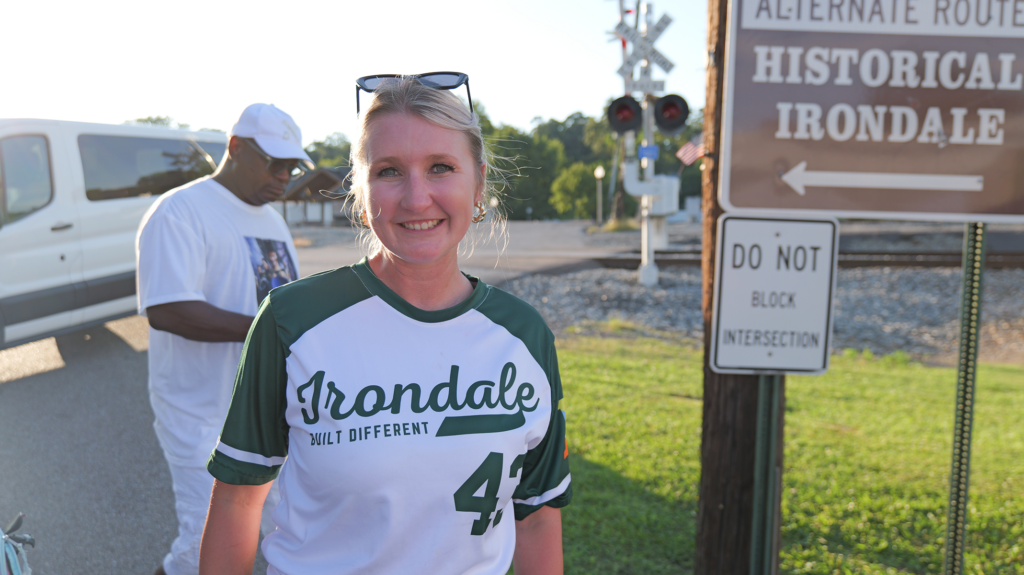
Equally important is how that story is being told. Under the direction of Public Relations Director Emma Tolbert, Irondale has developed a communications strategy that goes beyond traditional press releases and social media posts. Through regular community updates, digital storytelling, and initiatives like The Mayor’s Desk Podcast, the city has created additional ways to keep residents informed while sharing its vision with businesses, developers, and potential investors. The podcast, in particular, offers a behind-the-scenes look at the city’s priorities and gives residents an opportunity to hear directly from Mayor Stewart and other community leaders about the projects shaping Irondale’s future.
One of the biggest lessons other communities can learn from Irondale is that economic development isn’t measured solely by new buildings, retail announcements, or infrastructure projects. Those investments matter, but they are most successful when they reflect a community that is equally committed to its people.
That was the lasting impression I took away from the Back-to-School Pep Rally. While the event was designed to help students prepare for a new school year, it also demonstrated something much larger—a city investing in families, celebrating community, and creating an environment where residents, businesses, and future generations can thrive.
Under the leadership of Mayor James D. Stewart Jr., and his dedicated team, Irondale has done more than announce new projects. The city has consistently communicated a vision for its future while giving people tangible reasons to believe in it. Every community event, business announcement, infrastructure improvement, and quality-of-life investment reinforces that vision.
Irondale’s story is still being written, but from the Outside Looking In, it appears to be writing an exciting new chapter.
To learn more about the City of Irondale, visit cityofirondaleal.gov or follow the city’s official Facebook page at https://www.facebook.com/cityofirondale
Russ McClinton
Founder, Urbanham.com